Do Chainsaw Chaps Work? How the Fibers Stop a Moving Chain
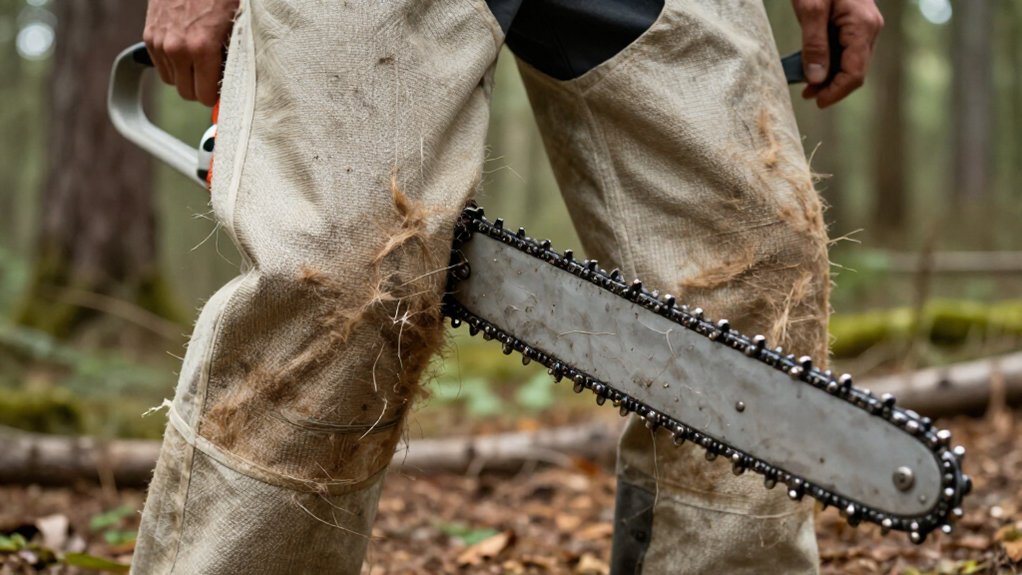
Chainsaw chaps can reduce injury risk, but they aren’t cut-proof. When a moving chain cuts the outer fabric, long protective fibers may snag in the drive system and clog the sprocket or clutch, adding resistance that can slow or jam the chain.
This depends on intact fibers, garment construction, and saw conditions, not layer count alone. Replace chaps after any chain contact, even a small cut. Learn how fit, inspection, and saw compatibility affect protection.
ASTM Cut-Resistance Ratings
Although ASTM F1897-25, the *Standard Specification for Leg Protection for Chainsaw Users*, includes tests with battery-powered chainsaw heads, its rating isn’t a guarantee that chaps are cut-proof. The standard evaluates garments through a defined test method, and certification reflects performance under those controlled conditions. In UL-observed testing, multiple PPE brands recorded no failures under the updated requirements; that result doesn’t establish equal protection in every situation.
Your saw’s power, chain, and bar can differ from the test setup, changing the hazards you face. Treat an ASTM rating as evidence of tested performance, not proof that fabric will stop every moving chain or prevent injury. Before use, read the garment label and manufacturer’s instructions.
Confirm the applicable ASTM certification and that the product is approved for the saw and work you’ll perform. Inspect and wear it as directed, and follow safe operating practices; protective clothing can reduce risk but can’t replace them entirely.
Battery Chainsaw Compatibility
Battery-powered chainsaws can cause severe cutting injuries, but properly fitted, certified chaps can help protect you from them.
ASTM F1897-25, the standard for chainsaw-user leg protection, includes tests with battery-powered saw heads. UL-observed testing across multiple manufacturers recorded no performance failures. This evidence supports using certified chaps with battery equipment, but it doesn’t make every garment compatible with every saw. Battery models vary in design and power, and their chain speed and cutting capability remain hazardous despite quieter operation and easier handling.
Check both your saw manufacturer’s guidance and the garment’s labeling before use. Select chaps that fit securely and meet the applicable certification; keep them positioned as instructed, and inspect them for damage before each shift. Don’t assume an electronic shutdown replaces leg protection: abnormal-load controls vary, and you still need suitable PPE during every cutting task, regardless of power source.
Fibers Jam the Sprocket
When a moving chain cuts through a chap’s outer layer, it can snag the protective fibres and pull them into the drive system. There, fibres can clog the sprocket or clutch, adding resistance until the chain slows or the drive jams. You shouldn’t interpret this as simple layer-count protection: braking depends on fibre strength, length, and garment construction.
In a shop demonstration, fibres from new polyester-and-Kevlar chaps snagged and jammed the drive area before the chain reached the test pants. If your chaps are cut, replace them; damage may sever or pull out fibres, weakening their capacity to brake a chain. This resistance may interrupt motion, but it doesn’t eliminate injury risk.
| Factor | Effect | Implication |
|---|---|---|
| Strength, length | Brake varies | Layers alone mislead |
| Cut garment | Fibre loss | Replace promptly |
Apron Versus Wraparound Designs
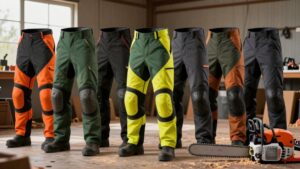
Apron-style chaps protect the front of your legs, while wraparound designs extend coverage to the sides and backs. Choose based on your task and exposure; apron chaps offer more airflow in hot weather, but neither style is suitable for climbing or feeding a chipper. Whichever you wear, make sure it fits snugly from waist to boots and that its straps are intact and adjusted correctly.
Front-Only Coverage
If your work can bring a chainsaw near the sides or backs of your legs, full-wrap chaps provide more coverage than apron-style chaps, which protect only the front. With apron-style coverage, a turned leg or a side approach can leave skin outside the protective panel. Match chap design to the saw’s likely path and your tasks; don’t treat front coverage as complete leg protection. ECHO offers apron-style and full-wrap models, and both use six layers of polyester protection.
Regardless of design, select a size that covers from your waist to your boots without dragging or restricting movement. Fasten the chaps snugly and check that they stay in position as you work. If they loosen or shift, exposed areas can defeat the intended protective coverage.
Wraparound Leg Protection
A wraparound design extends protection around the sides and back of your legs, while apron-style chaps cover only the front. That added coverage can shield areas an apron leaves exposed, but it doesn’t make the garment effective unless it stays correctly positioned between your leg and the chain. Fit matters across either design: your chaps should reach from your waist to your boots without exposing skin or dragging, snagging, or restricting movement.
Check straps before work; intact, adjusted straps help prevent shifting, while loose or damaged ones can move protective layers out of place or create hazards near equipment. Don’t wear chaps while climbing or feeding a chipper, because straps may snag. Keep chaps off during climbing and chipper feeding, where straps can snag.
Choosing a Design
Because apron-style chaps cover only the front of your legs, wraparound chaps also protect the sides and back. Choose the design that matches your exposure and keeps the fabric snug and positioned between your legs and the saw. Both designs must extend from your waist to your boots; too-short chaps may expose skin, while overly long panels can drag, snag, or restrict movement.
An apron-style design leaves the backs of your legs uncovered, but its open-back construction can improve ventilation in hot weather. If your tasks expose you to side or rear contact, wraparound coverage offers protection there. Fit matters regardless of style: adjust intact straps so the chaps don’t shift. Never wear chaps while climbing or feeding a chipper.
Chain Speed and Sharpness
A professional chain can exceed 100 feet per second, so it may cut before you can react or release the throttle. Sharp, square-ground chisel teeth can penetrate protective fibers, and no chap is cut-proof. Treat chaps as a limited barrier, not a substitute for safe saw control.
Chain Speed Matters
At more than 100 feet per second, a professional chainsaw chain can cut seriously in an instant; on a 32-inch bar, it travels around the bar more than 10 times per second.
You may have little time to react: releasing the throttle at contact may not stop the chain before a cut, as a shop test showed. Square-ground chisel teeth are aggressive; no pad is cut-proof. Chaps pull fibres into the chain to slow or jam it, but can’t guarantee protection. Keep your body clear and treat every running saw as an immediate hazard.
| Situation | Chain behavior | Safety implication |
|---|---|---|
| Professional speed | Over 100 feet per second | Contact cuts quickly |
| 32-inch bar | Over 10 circuits per second | Exposure happens rapidly |
| Throttle release | Chain may keep moving | Don’t rely on reaction |
Sharpness Affects Cutting
Chain speed and tooth sharpness both affect how quickly a saw can cut. A professional chain may travel faster than 100 feet per second, so it can reach you before you can react. On a 32-inch bar, the chain circles more than ten times each second; that leaves almost no time to respond.
Sharp, aggressive square-ground chisel teeth bite especially forcefully. In a test, a moving chain cut through denim and into bone-in ham, even after the operator released the throttle at contact. You can’t assume releasing the throttle will halt the chain soon enough, or that chaps are cut-proof. Fit and position your protective garments correctly, and maintain safe technique; treat them as a layer of protection, never as a guarantee against injury.
Fiber Stopping Limits
Although chaps can jam a chain by pulling protective fibers into its drive components, no universal chain-speed or sharpness limit guarantees they’ll stop it.
At professional speeds, a chain may travel faster than 100 feet per second. A chain on a 32-inch bar circles it more than 10 times each second, so it can reach your leg before you can react. Chaps may slow or jam the chain, but they’re not cut-proof.
Aggressive square-ground chisel teeth can challenge protective layers, and you can’t rely on a precise speed or sharpness threshold to predict protection. If the chain cuts through your garment, it may sever or pull out fibers and reduce protection. Replace the garment; don’t patch it. Wear chaps and follow safe operating practices.
Firewood Bucking on Sawhorses
When bucking firewood on sawhorses, wear properly fitted, certified chainsaw chaps or pants because elevated work still exposes your legs to the moving chain.
Keep them snug over your legs, and confirm every strap is intact and adjusted; loose fabric or straps can shift, expose skin, or snag equipment. Protective fibers can catch the chain, adding resistance that may slow or jam the drive system, but chaps aren’t cut-proof.
| Check | Why it matters |
|---|---|
| Fit | Covers legs |
| Straps | Prevent snagging |
| Chain contact | Fibers may engage |
| After contact | Replace garment |
If the chain contacts or cuts your garment, replace it; don’t patch it. Damaged or missing fibers reduce protection. Set the sawhorse securely, keep your cutting path clear, and maintain control of the saw throughout each cut.
Hidden Fabric Damage
Hidden Fabric Damage
Even a small chain cut can sever or pull out protective fibers, weakening the fabric’s ability to slow the chain. Damage extends beyond the visible mark: fibers in the weave may be shortened or partly detached. Compromised strands pull free more readily and may not snag and brake a moving chain. Their braking action depends on intact strands that can release from the fabric and bind the chain.
Damage can weaken the protective pad, even if the cut looks minor or lies away from a later contact point. Don’t patch chaps after a chain cut; covering the opening won’t restore missing or damaged fibers. Replace them before returning to saw work. Clean them as the manufacturer directs; oil and sweat can mat fibers.
Skipping Regular Chap Inspections
Before each use, inspect your chainsaw chaps for cuts, tears, damaged seams, worn straps, and other defects that could expose your leg. A quick check helps you catch failures before they leave you unprotected. Check each strap for fraying, broken stitching, and secure adjustment; loose gear can shift the protective panel aside or snag on brush.
- A small chain cut can sever or pull out fibers, weakening the braking layer.
- Don’t patch damaged chaps; shortened fibers provide less resistance to a moving chain.
- Replace chaps after any chain contact, even if the cut looks minor.
Cleaning and inspection won’t restore damaged fibers. Follow the manufacturer’s care and replacement guidance; appearance alone can’t confirm protection. Replace equipment on schedule, even when it looks clean and intact.
Measure Your Inseam First
Measure from your crotch to your ankle, then compare the inseam with the manufacturer’s sizing chart; brands may size pants by both waist and inseam.
Choose pants length that runs from waist to boots without exposing lower legs. Coverage matters because movement can shift fabric and reveal skin between the garment and footwear. Don’t assume your usual trouser size guarantees suitable chainsaw-pant coverage; sizing systems vary, and a correct waist measurement doesn’t confirm the leg length.
Try the pants on with your work boots before use. Walk, bend, and kneel to check that the hem stays over the boots and the fit remains secure. Pants that are too long can drag, snag on debris or equipment, and restrict movement, creating hazards. If the hem bunches excessively or leaves a gap when you move, consult the sizing chart and choose a better-fitting length. Proper inseam fit supports consistent leg coverage without compromising mobility.
Conclusion
Chainsaw chaps can reduce injury severity, but they don’t make a cut safe. Choose chaps with a suitable ASTM/leg-protection rating, confirm compatibility with your saw, and fit the apron to your inseam and work position. Inspect fabric and seams before every use; retire chaps after any chain contact or damage.
Keep the chain sharp, control kickback risks, and secure work on sawhorses. Wear protective gear, follow your saw’s manual, and never rely on chaps alone.