What NRR Do I Need for a Chainsaw? Picking Earmuffs and Plugs
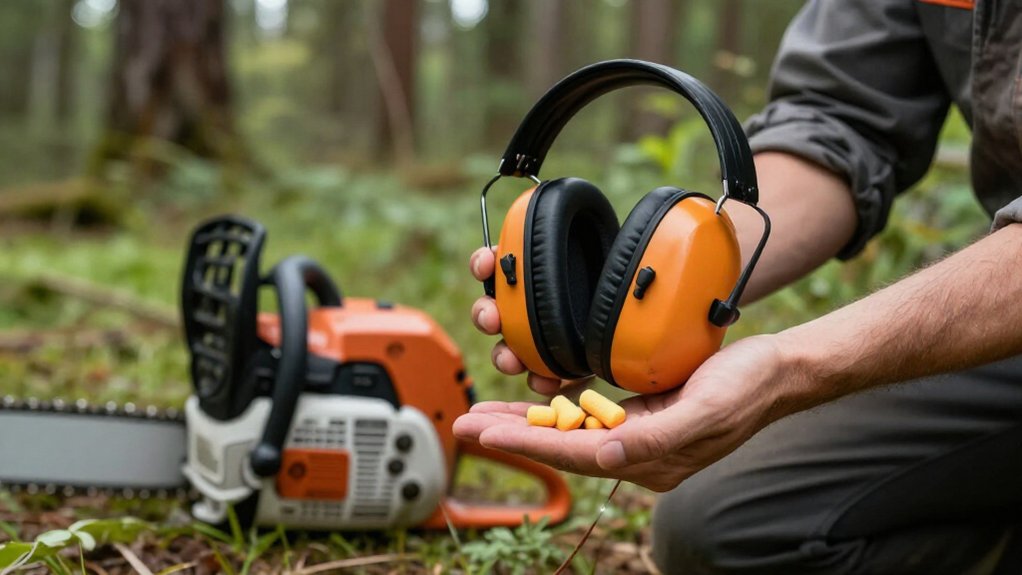
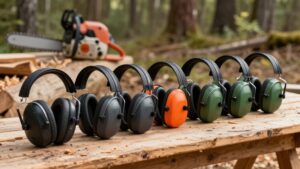
Choose hearing protection from your saw’s manual and exposure time, not NRR alone.
Chainsaws often produce 106 to 120 dB, so wear properly fitted plugs or earmuffs whenever the saw runs.
Above about 105 dB or during prolonged work, consider plugs under earmuffs, but don’t add their NRRs or assume double protection makes exposure safe.
Fit matters: insert plugs deeply enough to seal, and keep glasses or PPE from breaking muff seals. More fit checks follow below.
Chainsaw Noise Levels
Chainsaws typically produce 106 to 120 dB—loud enough to damage your hearing, even during brief use. That range varies with the saw, its condition, and how you operate it. Some models exceed the typical range, while battery-powered saws tend to run quieter. Don’t assume a quieter sound makes hearing protection unnecessary; check the manufacturer’s noise data for your model and follow its guidance.
Even 106 dB greatly exceeds the 85 dBA threshold used for workplace hearing-conservation programs, measured as an eight-hour average. If you use a chainsaw repeatedly, cumulative exposure can add up, so include hearing protection in your standard setup. Use the stated noise level as a starting point when selecting protection. Check noise data under your operating conditions before choosing protection for your saw.
Chainsaw Hearing Risks
Because chainsaw noise commonly reaches 106 to 120 dB, it can cause permanent hearing damage, even during brief use. You can also accumulate damage across repeated sessions, so don’t treat short cuts as safe. Wear hearing protection whenever you operate a saw; noise above about 80 dB may require protection, though applicable occupational limits and requirements depend on exposure duration and local regulations.
Battery-powered chainsaws tend to run quieter than gas-powered models, but quieter doesn’t mean harmless. Some saws are especially loud, and sound output varies by model. Check your saw’s noise information rather than assuming its power source determines risk.
Choose earmuffs or plugs suited to the noise and follow fit and use instructions. Properly fitted protection helps reduce sound reaching your ears. Don’t rely on discomfort or temporary ringing to signal danger; hearing damage can occur without warning, when you feel fine.
Estimating Exposure During Cutting
During cutting, estimate protected exposure by subtracting an adjusted Noise Reduction Rating (NRR) from the saw’s measured noise level. Chainsaws commonly reach 106 to 120 dB, so even brief cuts can create hazardous exposure. Measure noise at your operating position; levels vary with saw, cutting conditions, and distance.
| Scenario | NRR | Estimated reduction |
|---|---|---|
| OSHA earplug estimate | 27 | (27 − 7) ÷ 2 = 10 dB |
| 110 dB exposure | 10 dB reduction | About 100 dB |
| NIOSH earplug estimate | 27 | 50% = 13.5 dB |
| 110 dB exposure | 13.5 dB reduction | About 96.5 dB |
Treat both results as guides, not guarantees. Your plugs must fit correctly and stay in place throughout cutting; poor fit or removal can reduce real-world protection and increase your risk.
When to Double Up Protection
Chainsaws can produce roughly 106 to 120 dB, so consider wearing earplugs under earmuffs when noise exceeds 105 dB, work runs long, or plugs alone don’t provide enough protection. Combined protection isn’t the sum of both NRRs; estimate it by adding 5 dB to the higher NRR, and follow the manufacturer’s guidance and workplace rules.
Make sure both devices fit properly and stay on throughout the task, since a poor seal reduces real-world protection.
When Noise Levels Are High
When chainsaw noise exceeds about 105 dB, wear earplugs under earmuffs, especially for prolonged work; chainsaws can produce roughly 106–120 dB. Double protection may also suit especially noisy tasks, but it doesn’t make exposure safe at every level. Don’t add the two NRR values: estimate combined protection by taking the higher rating and adding 5 dB. For example, NRR 27 plugs under NRR 25 muffs provide an estimated combined NRR of about 32.
This estimate assumes both devices fit correctly; actual protection varies with fit, placement, and noise conditions. Insert plugs as directed and adjust earmuffs so cushions seal fully around your ears. Keep both devices on throughout the noisy task. A poor seal or even brief removal can reduce protection, so check fit.
When Exposure Is Prolonged
For prolonged chainsaw work, consider wearing earplugs beneath earmuffs, particularly when noise exceeds about 105 dB; chainsaws can reach 106 to 120 dB. Double protection also fits workplace rules or a noise assessment; OSHA requirements depend on exposure, not one brief peak. Estimate combined protection by adding 5 dB to the higher NRR, not by summing ratings: NRR 27 plugs plus NRR 25 muffs gives about NRR 32.
| Situation | Your check |
|---|---|
| Fit | Seat plugs; seal muffs |
| Gear | Check glasses, hair, and alarms |
| Work | Keep both on continuously |
Choose a comfortable pairing so you’ll keep it in place while still noticing alarms and warnings. If either device shifts or the earmuff cushion leaks around other gear, correct the fit before restarting the saw throughout every noisy task.
When Plugs Alone Fall Short
If chainsaw noise exceeds about 105 dB, earplugs alone may not provide enough attenuation; wear earmuffs over properly fitted plugs, and keep both on throughout the noisy work. Chainsaws can reach 106 to 120 dB, so protect your hearing even during brief cuts and follow each manufacturer’s instructions. When you double up, don’t add the two NRRs: a common estimate uses the higher rating plus 5 dB. For example, NRR 27 plugs with NRR 25 muffs yields an estimated combined rating of about 32 dB.
Treat this as an estimate, not a guarantee. Check each seal: poorly fitted plugs or a broken muff seal can reduce protection. Choose comfortable gear compatible with your helmet and PPE, and don’t remove it while the saw runs.
Earmuff Seal Disruptions
Glasses with thick temples can leave gaps beneath earmuff cushions, reducing attenuation. Hair, helmet straps, or clothing caught under the cushions can also break the seal, so check that both cushions sit snugly around your ears. After adjusting your helmet or visor, recheck the fit; if you can’t maintain the seal, use compatible hearing protection according to the manufacturer’s instructions.
Eyeglass Temple Gaps
Even when earmuffs fit snugly, eyeglass temples can break the cushion seal and let chainsaw noise leak through.
A gap around your glasses reduces real-world protection. Thick or rigid frames may press cushions away from your head. Choose low-profile glasses with thin temples. Test glasses with earmuffs before work; cushions should sit evenly around both ears. If they don’t, select a compatible protector that seals properly. In high noise, earplugs beneath earmuffs can add protection, but don’t add their NRR values together.
| Frame or check | What you assess | Safer action |
|---|---|---|
| Thin temples | Small seal gap | Try with muffs |
| Thick frames | Cushion lift | Seek compatible eyewear |
| Both ears | Even cushion contact | Recheck fit |
| Very high noise | Combined protection | Use plugs and muffs |
Hair and Clothing Interference
Eyeglass temples aren’t the only objects that can break an earmuff seal; hair or clothing trapped under a cushion can also reduce real-world noise protection. Even a strand or fabric fold beneath the cushion can create a leak between the cup and your head. A compromised seal lowers the attenuation you receive; the labeled NRR assumes proper fit and doesn’t guarantee protection when the cushion can’t contact skin continuously.
Before you start the chainsaw, move hair and clothing clear of the cushion so it sits snugly around each ear. Check the full perimeter, not just the visible front edge. Glasses, helmets, and other PPE may also press against the cushion or trap material beneath it. Recheck the fit whenever you move or adjust your gear; even brief interference can undermine hearing protection during cutting. If other PPE prevents a reliable seal, choose compatible protection or fitted plugs beneath muffs.
Restore the Earmuff Seal
If an earmuff cushion doesn’t seal continuously against your head, noise can leak around it and reduce protection. Keep hair, clothing, and other items clear of the cushions. Glasses or other PPE may interrupt contact, so choose compatible equipment that maintains a continuous seal around each ear. Check that the headband presses both cushions firmly against your head; replace it if stretching prevents a snug fit.
| Disruption | Check | Response |
|---|---|---|
| Cushion wear | Inspect pliability | Replace worn cushions |
| Dirt or oil | Check surfaces | Brush gently; keep attenuating material dry |
After cleaning, confirm each cushion sits flat and closely. Recheck the seal whenever you adjust PPE or notice damage; poor fit can undermine the earmuff’s rated attenuation, so don’t rely on its NRR alone for chainsaw noise.
Felling Versus Bucking Noise
Felling and bucking don’t require different hearing-protection ratings: chainsaws typically produce 106–120 dB, and exposure depends more on the saw, cutting conditions, and run time than on the task. Whether you’re felling a tree or bucking logs, protect your ears whenever the saw runs, even for brief cuts. Repeated starts and stops contribute to cumulative exposure.
Base your choice on the saw’s noise and expected run time, not the task label. Wear plugs or earmuffs consistently; insert foam plugs deeply enough to seal each ear canal, since a poor fit can sharply reduce real-world protection.
Chainsaw-Specific NRR Caveats
Because chainsaws typically produce 106–120 dB, even brief use calls for hearing protection, and some models may be louder. Treat a protector’s Noise Reduction Rating (NRR) as a laboratory comparison, not a promise of the reduction you’ll get beside a running saw. Fit, movement, sweat, and consistent wear affect real-world performance.
As a rough U.S. OSHA estimate, subtract 7 from the NRR, then divide by 2: an NRR 33 protector estimates about 13 dB of reduction. For very high noise, you can wear plugs beneath earmuffs for added protection, but don’t add their NRRs. A common estimate uses the higher rating plus 5 dB. Choose gear that stays comfortable and sealed while you work, without blocking alarms or important warnings you need to hear.
Ignoring Earplug Insertion Depth
Shallow earplug insertion can sharply reduce real-world protection, even when the plugs carry a high NRR.
You get rated protection only when a plug sits deep enough to seal the ear canal. With chainsaws producing roughly 106–120 dB, a gap can leave your hearing exposed, even during brief tasks. Use this fit check:
- Wash your hands, then pull your ear outward and upward with the opposite hand to straighten the canal.
- Insert the plug snugly, following its manufacturer’s directions.
- Check the seal; refit it if the plug feels loose or sits at the opening.
- Recheck during work: sweat, movement, hair, and repeated removal can break the seal.
If you can hear normal conversation clearly, the fit may be poor. Wear properly fitted protection consistently; don’t assume a high label NRR compensates for shallow insertion throughout your entire chainsaw work session.
Compare Saw Manual Noise Ratings
Check your chainsaw manual for its sound-pressure level in dB(A) at the operator’s position, then use that figure to choose hearing protection; a sound-power rating doesn’t indicate the noise reaching your ears. Chainsaw noise averages 106 to 120 dB, but levels vary by model and conditions; don’t assume yours matches a generic estimate.
Compare the manual figure with your protectors’ NRR. Because NRR is laboratory-rated, it isn’t the reduction you can count on in use. For a rough OSHA estimate, subtract 7 from NRR and divide by 2. Treat this adjusted value as guidance, not a guarantee. Above about 105 dB, consider earplugs beneath earmuffs for added protection. Fit both correctly and maintain the earmuff seal. Recheck the manual whenever you change saws or operating conditions.
Conclusion
Choose hearing protection by matching your saw’s measured noise level and your exposure time, not by NRR alone. NRR comes from laboratory tests; real-world fit, insertion depth, and a muff’s seal can reduce protection. If you’re felling or bucking for extended periods, or your saw runs near or above 100 dBA, combine properly inserted plugs with earmuffs. Check the manual, inspect fit around glasses and other gear, and leave no gaps. Protect your hearing consistently.