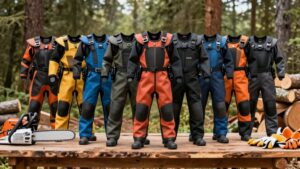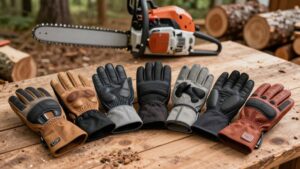
Chainsaw PPE Checklist: The Safety Gear You Actually Need
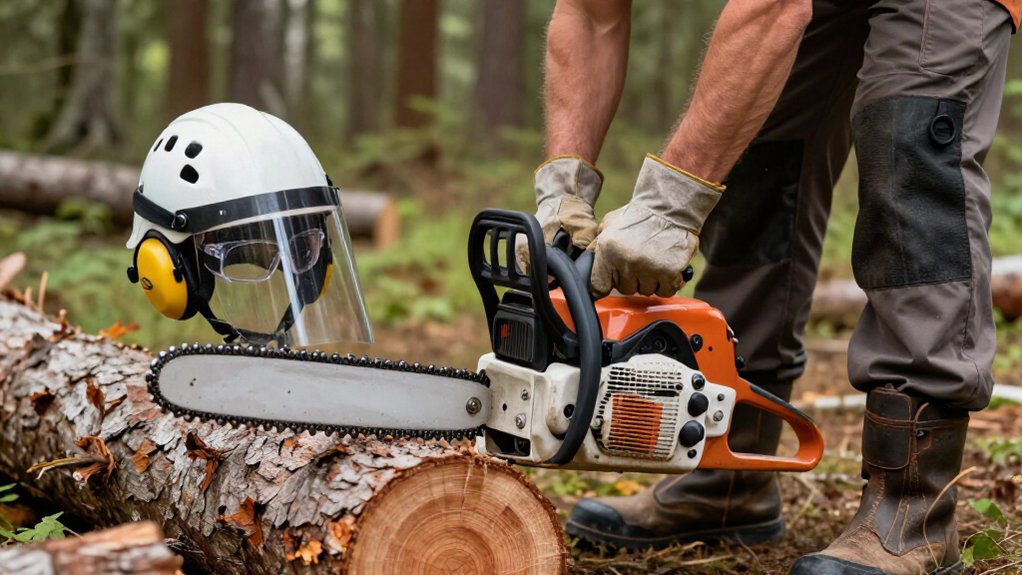
Before you start a chainsaw, inspect a snug forestry helmet, impact-rated safety glasses, a face shield, and hearing protection.
Wear close-fitting chainsaw-specific gloves, legwear rated for your saw’s chain speed, and high-ankle chainsaw boots with slip-resistant soles. Check fit, coverage, movement, and damage; secure loose clothing and hair.
For overhead work, add a chainsaw-rated jacket and pants. Don’t skip PPE for brief cuts.
Keep certified protection on, and use the checks ahead to match your gear to your specific work conditions.
Pre-Cut PPE Fit Check
Before starting the saw, check that your helmet fits snugly and has no cracks, warping, or other damage. Check that your safety glasses or visor sit securely without blocking your view. If you use a helmet visor, wear safety glasses behind it for added eye protection.
Adjust earmuffs or earplugs until they seal properly; chainsaws can produce about 100 to 120 dB, so gaps can’t leave your hearing exposed.
Make sure your gloves fit closely. Gaps or flaps can catch controls or weaken your grip, so check hand movement before cutting.
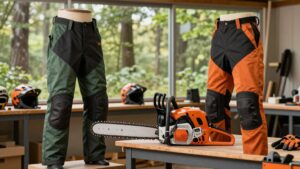
Secure your chaps or chainsaw pants and boots. Confirm they cover the intended areas and stay in place as you move. Loose fabric can snag, while tight or restrictive gear can limit movement.
Essential Chainsaw PPE Checklist
Use this essential chainsaw PPE checklist for every cut: wear ANSI Z87.1- or EN 166-rated safety glasses, ideally beneath your helmet’s face shield; use hearing protection near any operating saw, with NRR 25+ earmuffs recommended; and protect your legs with chaps or cut-resistant pants rated for your saw’s chain speed.
| Area | Check |
|---|---|
| Eyes | Glasses under visor |
| Ears | NRR 25+ earmuffs |
| Legs | Chaps or cut-resistant pants |
| Hands and feet | Chainsaw-rated gloves; EN ISO 17249 boots |
Gas saws reach 108 to 113 dB. Choose boots with cut-resistant uppers, toe protection, and slip-resistant soles. In North America, select legwear classified for your saw’s chain speed. Inspect PPE before use; replace damaged gear. If chain contact pulls fibers from your chaps, replace them before cutting again.
Chainsaw PPE Standards and Labels
Check the labels on chainsaw PPE and match each item’s rated class to your saw’s chain speed. In North America, choose chaps or chainsaw pants UL Classified to ASTM F1897: Class 0 covers speeds up to 16 m/s, Class 1 up to 20, Class 2 up to 24, and Class 3 up to 28. For European protection, look for EN 381-5 or EN ISO 11393-2, then verify the garment’s class suits your saw.
Select boots labeled EN ISO 17249 by speed class: Class 1 covers up to 20 m/s, Class 2 up to 24, and Class 3 up to 28. For eye protection, check ANSI Z87.1 or EN 166; for helmets, check ANSI Z89.1 or EN 397. Replace gear when damage compromises protection.
Chainsaw Glove Cut-Resistance Ratings
Check EN 388 and ANSI cut levels alongside chainsaw-specific ratings; their test methods and scales aren’t interchangeable. Higher cut resistance doesn’t guarantee protection from chain contact, and added reinforcement can limit dexterity. Choose gloves with protection in the exposed areas that fit securely and let you grip and control the saw.
EN 388 Rating Basics
Although EN 388 rates gloves for mechanical risks such as abrasion, blade cuts, tearing, and puncture, its cut rating alone doesn’t certify a glove for chainsaw use. Use the EN 388 marking to compare performance in these tests, but don’t treat its blade-cut result as proof of chainsaw protection. A glove may score well in cut testing yet lack the construction needed to resist a chain.
For chainsaw-specific protection, check that the glove meets a standard such as EN 381-7 or ISO 17249-5. Match its class to your saw’s chain speed: Class 0 covers speeds up to 16 m/s, and Class 1 up to 20 m/s. Also inspect for cut-resistant reinforcement on the back of your left hand, a kickback exposure area.
ANSI Cut Levels
ANSI cut levels don’t establish chainsaw protection, so don’t rely on a generic cut-resistance rating when choosing gloves. Check the label for the applicable chainsaw standard and class, not just a general cut score. Under these standards, Class 0 covers chain speeds up to 16 m/s, while Class 1 covers speeds up to 20 m/s.
Match the class to your saw and work conditions; a higher generic cut rating doesn’t replace chainsaw-specific certification. These standards don’t require cut-resistant protection on the right hand. Don’t assume both gloves offer equal chainsaw protection: verify the coverage and wear the glove as specified.
Glove Test Methods
How do you compare chainsaw glove ratings? Start by checking the label for EN 381-7 or ISO 17249-5 and the stated class. These standards test gloves against a moving chain under defined conditions; they don’t certify protection from every cut.
Class 0 is tested at chain speeds up to 16 m/s. Class 1 is tested up to 20 m/s. Treat these figures as test limits, not permission to use a faster saw or rely on gloves alone. Both standards leave the right hand without a required chainsaw-cut protection zone, so inspect the glove’s reinforced areas. Many designs place cut-resistant material on the back of the left hand, which faces the chain while you grip the front handle.
Protection Versus Dexterity
Choose chainsaw gloves that balance tested cut resistance with the control you need to operate the saw. Chainsaw-rated gloves add cut-resistant fibres, often across the back of your left hand, which grips the front handle and faces kickback. Under EN 381-7 or ISO 17249-5, Class 0 gloves are tested to 16 m/s; Class 1 gloves are tested to 20 m/s.
These figures describe test conditions, not protection from every cut. No glove makes contact with a moving chain safe. The cited standards don’t require right-hand protection, so inspect glove reinforcement and check coverage on both hands. A snug fit helps you keep grip and operate controls without interference. Ordinary work gloves may improve grip, but they won’t slow a chain.
Choosing The Right Rating
For a suitable rating, match the glove’s tested resistance to your saw and work. Look for gloves certified to EN 381-7 or ISO 17249-5; these standards verify the cut-resistance rating. Class 0 gloves are tested for chain speeds up to 16 m/s, while Class 1 gloves are tested up to 20 m/s. Choose the class that matches your saw’s chain speed and demands of the job.
Treat these figures as test limits, not promises that a glove will stop every cut. Check the glove: standards don’t require cut-resistant protection on your right hand. Many models reinforce the back of the left hand, which faces kickback while you grip the front handle. Confirm which areas have reinforcement before buying, and don’t rely on gloves alone.
PPE for Overhead Cutting
Because overhead cutting exposes you to falling objects and saw contact, wear a forestry helmet that meets ANSI Z89.1 or EN 397, with a face shield, safety glasses underneath, and hearing protection.
Choose a helmet and replace it after impact or if cracked or warped. The shield blocks flying chips, but it won’t stop every hazard; wear safety glasses beneath it for added eye protection. Wear chainsaw-rated clothing, including a jacket and chainsaw pants, to cover your torso, arms, and legs.
Overhead work exposes you to falling limbs and saw contact. PPE reduces injury severity, but it can’t replace training, work-area assessment, or safe cutting practices. Check your equipment before each cut, and keep the visor and glasses properly positioned throughout the task carefully.
Hot-Weather PPE Adjustments
When temperatures rise, wear breathable, lightweight chainsaw-rated clothing that lets you move freely without sacrificing cut protection.
Choose breathable layers designed for chainsaw use; never replace required cut-resistant protection with ordinary summer clothes. For leg protection, apron chaps are lighter and cooler than wrap-around chaps, but inspect either type before each use and wear it as directed. A mesh helmet visor improves airflow and resists fogging better than a solid visor. Wear impact-rated safety glasses behind it for eye protection.
Take breaks in a cool, shaded place and drink water; protective gear can trap heat, and fatigue can undermine safe operation. Keep sleeves and trousers close-fitting, and don’t roll them up or remove protective clothing while the saw runs or you work near it.
Ground-Level Limb Removal
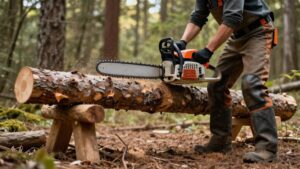
Before removing limbs at ground level, put on chainsaw chaps or cut-resistant pants that cover your legs, since leg injuries are among the most common chainsaw injuries.
Use a forestry helmet with a face shield, safety glasses underneath, and hearing protection; a gas chainsaw can expose you to 108 to 113 dB at the operator’s ear. Wear well-fitting, cut-resistant gloves and sturdy, high-ankle boots with slip-resistant soles to protect your hands and feet while you work on uneven ground. Choose close-fitting clothing; secure loose hair and accessories so branches or equipment can’t snag them. Check that your clothing and equipment allow movement as you position beside each limb safely.
Inspect your PPE before each use. Replace chaps after chainsaw contact damages or pulls out protective fibers.
Common Chainsaw PPE Mistakes
Common chainsaw PPE mistakes can leave you exposed even during brief jobs: ordinary work gloves won’t stop a moving chain, so choose gloves certified to EN 381-7 or ISO 17249-5, and wear UL Classified ASTM F1897 chaps or chainsaw pants in North America.
- Don’t rely on a face shield alone; wear impact-rated safety glasses behind the visor to protect your eyes from debris.
- Don’t assume a quieter battery saw is harmless: it can still reach 95–100 dB, so use hearing protection during extended cutting.
- Replace chaps after any saw contact; damaged cut-resistant fibers can’t provide dependable protection.
Before starting, check that each item fits correctly and covers the intended area; don’t trade certified protection for comfort or assume brief work is automatically safer for you.
PPE Cleaning and Storage
After checking your chainsaw PPE for damage, clean and store each item according to its care instructions, since materials and manufacturers can require different methods.
You’ll use these steps to protect performance and keep gear ready:
- Wash cut-resistant clothing on a gentle or delicates cycle at 60°C maximum, with spin speed no higher than 400 rpm.
- Use mild detergent; skip bleach, strong chemical cleaners, and fabric softener. Close zips and Velcro before washing.
- Air-dry clothing. Spot-clean chainsaw chaps promptly and carefully with a scrub brush and citrus-based product, as the U.S. Forest Service recommends.
Once everything’s dry, put PPE away in a dry, dark place—not dirty or damp. Check labels before using cleaners, and replace gear if you find damage or wear today, too.
Conclusion
Before you start the saw, check that every item fits, meets the right standard, and suits the cut. Wear a helmet, eye and hearing protection, chainsaw chaps or pants, gloves, and protective boots; add task-specific gear for overhead work. Don’t trade coverage for comfort in hot weather: adjust your pace and take breaks instead. After cutting, clean and inspect your PPE, then store it dry. Replace damaged or expired gear before your next job.