Is Chainsaw Milling Bad for the Chainsaw? Wear, Heat and Saw Choice
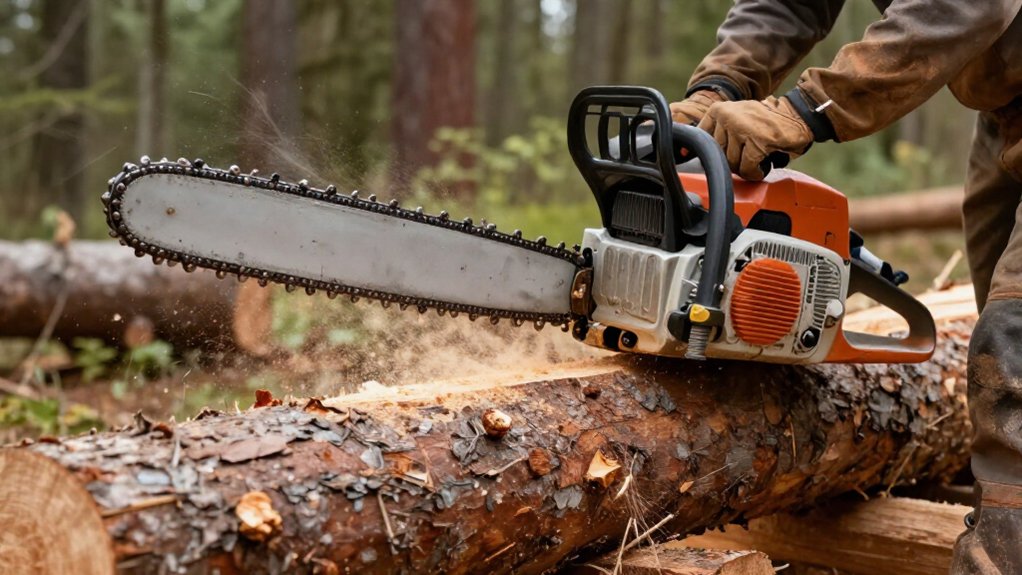
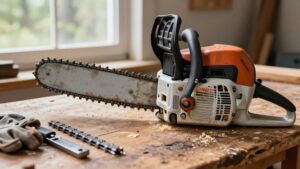
Chainsaw milling puts sustained heat and heavy wear on your saw because ripping chains cut wide kerfs for long periods.
A suitable powerhead, often 70 cc or larger for demanding work, sharp chain, slow feed and adequate bar oil reduce strain.
Match bar length to log size and manufacturer limits; longer bars can sag or starve lubrication.
Keep the specified fuel mix, inspect clutch and sprocket, and stop if it bogs or overheats. More follows.
Long Cuts Strain Saws
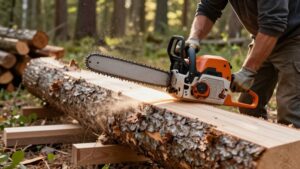
Because a milling chain must clear a wide kerf and carry chips through a long cut, chainsaw milling puts sustained strain on the saw. Many milling cuts last more than ten minutes, and the first cut on a large log may consume nearly a full tank on an 880. Your engine needs a steady workload, so feed slowly enough to prevent bogging while keeping full throttle throughout the cut.
Wider logs extend cutting time; choose smaller logs when practical, and use a sharp, freshly sharpened chain to improve cutting speed. On long cuts, monitor engine response and stop if performance drops or conditions become unsafe. Keep the kerf open with wedges placed every few feet, reducing the chance that the bar and chain pinch.
Bar-Oil Starvation Risks
Long milling cuts strain the lubrication system as well as the engine, and a long bar needs an oiler capable of supplying enough oil to the chain and bar.
Check the chainsaw maker’s bar-length guidance before milling; confirm its oiler can maintain delivery across the bar. Inspect oil flow and bar lubrication, because heavy, prolonged cuts can expose inadequate supply quickly. Use the bar oil your saw requires and keep the reservoir topped up. The nose may be especially vulnerable: during milling, you can apply oil directly to the nose sprocket every few seconds.
Keep the chain lubricated throughout each cut, and stop between cuts to refuel and replenish oil as needed. If the kerf starts closing, insert wedges to help prevent pinching the bar and chain.
Clutch and Sprocket Wear
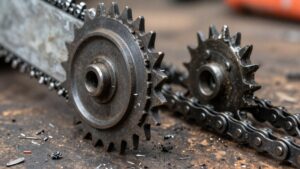
During milling, the chain must clear a wide stream of chips, keeping the clutch and drive sprocket under sustained, heavy load.
You can reduce strain by keeping the chain sharp and feeding slowly enough that the saw doesn’t bog. Use a suitable ripping chain and a sufficiently powerful saw; for demanding milling, about 70 cc or larger is recommended to limit prolonged overloading.
Inspect the clutch and sprocket regularly, especially after extended milling sessions. Follow the saw maker’s inspection guidance and replace worn parts before they compromise reliable drive. Avoid striking metal: a milling chain can cost more than $100, and keeping it properly sharpened helps limit unnecessary strain, expense, and downtime.
Choosing the Right Saw Bar
Choose a bar that matches your log size and stays within your chainsaw manufacturer’s maximum length; the mill’s cutting capacity may be shorter than the bar, so keep the tip clear of the cut. For cuts under about 36 inches, a standard bar usually works, while a longer or wider cut may call for a stiffer bar or a double-headed setup. Long bars need more lubrication, so check oil delivery and lubricate the tip as required during milling.
Bar Length and Log Size
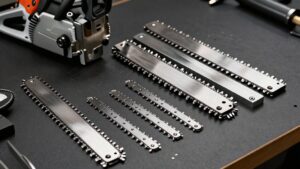
Select a bar long enough to span the log, but account for the mill’s shorter cutting capacity: the bar tip must remain clear of the mill hardware. A 36-inch bar on a Granberg MKIV supports a maximum cutting width of 32 inches. Measure the log and verify the mill’s usable width; don’t assume bar length equals cut width.
Check your saw manufacturer’s maximum bar-length guidance before fitting a longer bar. Longer bars require more lubrication and can sag, making flat cuts harder to maintain. For logs under about 36 inches wide, standard bars are used. Logs wider than 60 inches may require a double-headed bar, and mills can accommodate bars up to 84 inches. Secure the log, confirm clearance, and stop if the setup flexes or binds.
Bar Type and Design
Once you’ve matched bar length to the log and mill, consider the bar’s stiffness and lubrication needs.
A long bar can sag, making it harder to hold the mill level and produce a flat cut. Choose a stiff bar; titanium designs can reduce sag, though you’ll need to control the mill and keep the cut aligned. Before milling, check your chainsaw manufacturer’s maximum bar-length guidance, since longer bars place greater demands on lubrication. A 36-inch bar may extend beyond your mill’s cutting capacity, so keep its tip clear of the cut. Chainsaw mill bars can reach 84 inches. Double-headed bars may suit logs wider than 60 inches. With a long bar, you’ll need tip lubrication; some setups require bar oil at the sprocket every few seconds.
Milling Bar Maintenance
Because milling puts sustained load on the bar, check your chainsaw manufacturer’s maximum bar-length guidance before choosing one; longer bars need more lubrication and can sag. Treat 36 inches as a common setup, not usable cut width: your mill cuts less than bar length, and the tip must remain clear throughout.
| Cut or need | Bar choice | Maintenance |
|---|---|---|
| Under 36 inches | Standard bar | Inspect for sag |
| Longer cuts | Stiffer titanium bar | Check alignment |
| Milling chain | Ripping chain | Oil sprocket every few seconds |
Before each pass, verify tension, oil delivery, and mounting. Stop if lubrication fails or the tip nears an obstruction. Don’t force a sagging bar; reduce load or choose a stiffer, rated setup. Keep clear and follow both manuals during every cut as directed.
Engine Displacement Matters
For milling, choose a powerhead around 70 cc or larger; its greater displacement helps sustain cutting power under the load of ripping a log. Match bar length to the manufacturer’s guidance, since longer bars increase demands on both the engine and lubrication system. When you cut larger logs, you’ll generally need more cubic centimeters, while a smaller saw may mill slowly and struggle in heavy cuts.
Displacement and Cutting Power
Since milling requires sustained ripping cuts, choose a powerhead of about 70 cc or larger; greater displacement generally provides more power and faster cutting, while a smaller saw can mill at a slower pace.
Your chain can maintain speed in dense wood, reducing time under load. Displacement alone doesn’t guarantee performance: keep the chain sharp, use milling technique, and don’t force the cut. With a smaller powerhead, feed slowly and let the saw cut without excessive pressure; pushing harder can increase heat and strain rather than improve progress. A professional-grade saw such as the Stihl 661 illustrates the capacity chosen for demanding milling. Check manufacturer guidance, and stop if the saw bogs, overheats, or behaves abnormally. Wear PPE and secure the log.
Matching Engine to Bar Length
How long should your bar be? Match it to your powerhead and the manufacturer’s maximum guidance; milling stresses the saw, and longer bars raise load and lubrication demand. A powerhead around 70 cc or more is recommended, but engine and bar must work as a pair.
| Setup | Milling implication |
|---|---|
| About 70 cc+ | Recommended starting point |
| Shorter bar | Lower load; easier control |
| 36-inch bar, Stihl 661 | Mill capacity is shorter |
| Long bar | More lubrication; possible sag |
| Up to 84 inches | Suitable setups only |
Your 36-inch bar doesn’t give the mill 36 inches of capacity; keep the tip clear. Long bars can sag, so choose a stiffer bar when needed. Follow both makers’ limits, maintain lubrication, and never force the cut during every milling pass.
Larger Logs Need More Cubic Centimeters
As log diameter and cut width increase, the chain must clear more chips, putting greater demands on the powerhead.
Milling asks for sustained torque and cooling, so you should generally choose a powerhead of about 70 cc or larger. Larger engines deliver more cutting power, helping the chain maintain progress under load. A smaller saw may handle modest logs, but it can bog down or cut slowly as diameter and kerf grow.
For example, a wide cut through a roughly 44-inch log can take more than 10 minutes. Adequate displacement helps manage that extended demand; it doesn’t eliminate heat or wear. Match your saw and bar to manufacturer limits, and don’t force a struggling chain. Longer bars can sag and may need extra lubrication.
Portable Lumber Recovery Projects
For portable lumber recovery, a chainsaw mill lets you take the equipment to fallen logs in remote locations where a fixed mill won’t fit. A setup combines a powerhead, bar, ripping chain, mill frame, and guide rail. Choose a powerhead around 70 cc or larger for sustained load.
Your bar limits cutting width, and usable capacity falls short of its length. Longer bars can sag and need lubrication.
Cutting is slower and leaves a wider kerf than bandsaw milling. You can recover live-edge slabs or reduce oversized logs to bandsaw-compatible dimensions. Block logs before cutting and establish a flat first-cut guide.
Insert wedges to keep the kerf open and prevent binding. Arrange help to handle slabs that may weigh several hundred pounds. Wear protective equipment and maintain footing.
Hidden Metal in Logs
Even a carefully prepared log can hide nails or other metal that damages a milling chain and drives up costs; large chains can cost more than $100 each.
Before milling, inspect the log for visible nail heads, wire, stains, or old hardware. A metal detector can reveal embedded objects that you can’t see; scan the surface and mark locations. Remove detected metal when practical, but don’t treat a clean scan as proof the wood is clear.
If your chain strikes metal, stop the saw and inspect the chain before you resume. Metal can damage cutters or alter their edges, so assess cutting performance and chain condition. Sharpen it effectively after milling; if impact damage is severe, have a professional sharpen it or replace it.
Incorrect Fuel Mixture Myths
Chainsaw milling puts heavy demands on the saw, but that alone doesn’t mean you should change the fuel mixture. Milling raises cutting load, but the guidance doesn’t identify an incorrect ratio as a specific cause of wear or heat. Follow your saw’s specified fuel-and-oil ratio; don’t assume milling calls for a different blend. Keep these systems distinct:
- Fuel mixture follows engine specifications.
- Bar oil lubricates chain and bar; longer bars need more.
- A professional saw, such as Stihl 661 or roughly 70 cc or more, concerns saw choice, not ratio.
Measure ingredients accurately, and consult the manual if you’re uncertain. Don’t alter the blend to manage heat or compensate for milling load; maintain the specified mixture and bar oil separately before milling sessions.
Check Manufacturer Duty Limits
Keep the specified fuel mixture, then check the manufacturer’s bar-length and duty limits before milling. Milling places sustained load on the powerhead, so don’t treat occasional cutting ability as proof that your saw can run continuously. For this work, choose a powerhead of about 70 cc or more, and stay within the stated bar limit.
A longer bar can raise lubrication demands; verify that the oiler and approved setup meet the maker’s specifications. Excess length can also let the bar sag, producing uneven cuts and added stress. Even when you use a 36-inch bar, the mill may cut less than that length; keep the bar tip clear throughout the pass. Don’t exceed published limits or assume a long bar is safe because it fits.
Conclusion
Chainsaw milling can accelerate wear, but you can reduce the risk by matching the saw, bar, and workload to the manufacturer’s limits. Keep the chain sharp, verify bar-oil delivery, use the correct fuel mix, and stop if the saw overheats or loses power.
Inspect logs for embedded metal before cutting, and maintain the clutch, sprocket, and bar. Wear appropriate protective equipment, secure the work, and don’t force long cuts. If your saw isn’t rated for milling, choose a suitable model instead.