How to Choose a Lightweight Chainsaw: Weight, Balance and Easy Starting
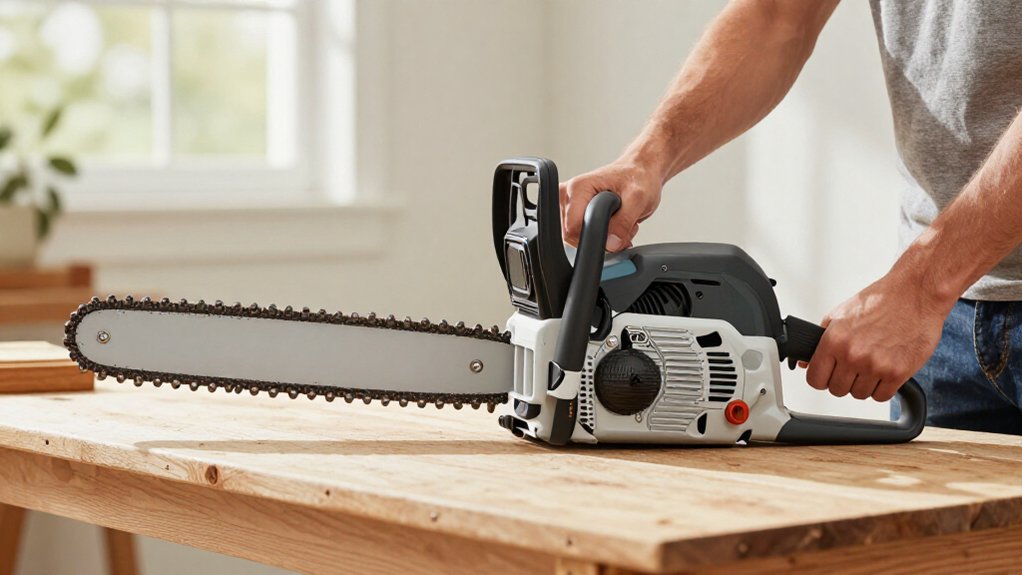
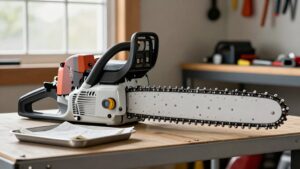
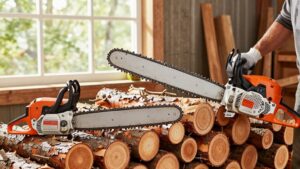
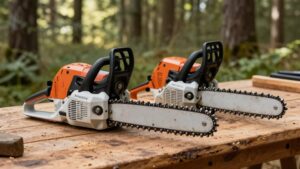
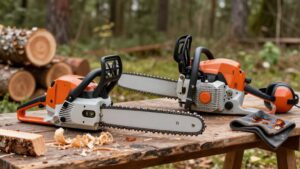
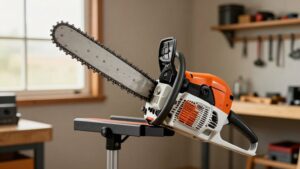
Choose a lightweight chainsaw whose power and bar length match your cuts; a compact 6–10-inch model suits pruning. Test its balance in cutting position, and choose a weight you can control without overreaching.
Battery saws start easily and run quietly; gas models offer more power but need pulls and maintenance.
Check chain tension, brake, and approved bar-and-chain pairing before work. Wear protective gear, keep both hands on the saw. Compare options to guide your choice.
Lightweight Saw Recommendations
For light pruning and tight spaces, choose a compact saw with a 6 to 10-inch bar; the shorter bar is easier to maneuver overhead, though you should still keep both hands on the saw and maintain stable footing.
A 6 to 10-inch model suits small branches and confined work, but don’t treat a short bar as permission to cut beyond your control. Position yourself so the chain stays clear of your body, and avoid cutting above shoulder height. For larger home jobs, the 8.2-pound Echo CS-3410 combines a 14-inch bar with a 34.4cc engine. The 10.1-pound Stihl MSA 80 C-B includes a 14-inch bar and battery, plus a knob-and-adjuster chain tensioner for straightforward handling.
Before buying, hold each saw in your usual cutting position; check that its weight and balance let you guide it without straining. For awkward cuts or longer sessions, choose the model you can control steadily and put down when fatigue affects your grip. Follow the maker’s limits for each cut.
Assess Starting Ease
When you assess starting ease, compare a battery saw’s instant switch-or-trigger start with a gas saw’s choke and pull-cord routine. Battery models start at the press of a switch or trigger, so you skip choking and pulling a starter cord. Gas saws may require you to set the choke and pull repeatedly; a priming bulb or decompression valve can ease the process. In testing, the Husqvarna 130 started easily when warm, while the STIHL MS 271 Farm Boss needed about seven or eight pulls for a cold start.
The Husqvarna 460 Rancher uses a separate ignition switch, choke, and priming bulb; its decompression valve reduces the force needed to pull the starter cord. Before use, check your manual and test the throttle, trigger lockout, stop switch, and chain brake; confirm all operate correctly.
Balance and Vibration Control
After checking how a saw starts, assess how it feels in your hands: balance, weight, and the cuts you plan to make all affect control and fatigue.
Before buying, hold the saw as you would during typical cuts. A manageable weight and stable balance help you guide the bar without overreaching; awkward cuts and long sessions can increase fatigue. Lighter models suit occasional work, while heavier saws may tire you sooner.
| Feature | What to check | Benefit |
|---|---|---|
| Balance | Test fit | Stable handling |
| Weight | Compare load | Easier handling |
| Damping | Bushings, springs | Less vibration |
Anti-vibration systems use bushings or springs; Echo’s CS-3410 uses three-point spring system. STIHL’s MS 271 Farm Boss weighs 15 pounds full and dampens vibration. Wear PPE; keep two-handed grip.
Gas, Battery, and Corded Power
Gas gives you the power and runtime for demanding cuts, but its extra weight, noise, fuel mixing, and maintenance matter. Battery saws are quieter and easier to start, though you’ll need to plan around charge time and workload; corded models need an outlet and extension cord, which limit your reach. Match the power source to your usual tasks, and keep cords clear of the cutting path.
Gas Chainsaw Power
If you’ll cut large trees or substantial firewood away from an outlet, a gas chainsaw offers the power and freedom to work, but it’s typically heavier, louder, and higher-maintenance than an electric model.
Match engine displacement to the wood you expect to cut: guidance suggests at least 45 cc for felling trees 10 to 16 inches in diameter, and 50 cc or more for bucking logs 16 to 24 inches. These are starting points, not substitutes for technique or manufacturer limits. Before cutting, inspect the saw, fit protective equipment, and plan an escape route.
Keep both hands on the handles, maintain stable footing, and avoid cutting above shoulder height. Weigh fuel and maintenance needs alongside noise and weight; if the work is light and close to power, electric options may be easier to manage.
Battery Runtime And Charging
A battery chainsaw typically runs about 30 to 40 minutes per charge and takes roughly 60 minutes to recharge, though the saw, battery, and cutting load affect both figures. Choose battery capacity with the work in mind: a 6.0-Ah pack can add weight, while a 5.0-Ah or 2.5-Ah pack may make the saw easier to handle but reduces runtime and cutting speed.
For longer jobs, plan charging breaks or carry a spare, if the added weight remains manageable. Don’t force continuous cuts through large logs; one tested saw shut down from heat in logs over 20 inches. Let the tool cool and follow its manual’s limits.
Gas models avoid charging stops and run longer, but need fuel and more upkeep. Corded electric models avoid recharging but need an outlet.
Corded Chainsaw Reach
How far you can work depends on the power source: gas chainsaws can reach remote areas without an outlet, while battery models offer cordless mobility for about 30 to 40 minutes per charge. Corded models supply continuous power, but the outlet and extension cord set your reach. Measure the work area first, use an outdoor-rated cord suited to the saw’s electrical load, and keep connections dry.
Route the cord behind you and clear of the bar and chain. Watch its position as you move; don’t cut over it. Stop the saw before freeing a snagged cord.
Battery runtime is typically 30 to 40 minutes, with about 60 minutes needed to recharge. Gas requires neither cord nor battery, so you can work farther from outlets. Whichever source you use, plan your movement before cutting and keep secure footing as you reposition.
Match Power To Tasks
Once you’ve planned your reach, match the saw’s power and size to the work. For light pruning and branches under 4 to 6 inches, choose a small battery or corded saw. Both start easily, run quietly, and produce no exhaust. An 8 to 10-inch bar suits pruning; use 12 to 14 inches for routine yard jobs. A battery model starts instantly and needs little maintenance, while a corded saw works well when an outlet is nearby.
For mobility and sustained power, choose gas for regular firewood cutting or larger trees. Logs 16 to 24 inches across generally need a 50cc-or-larger saw, with a bar of 16 inches or longer. Gas models require fuel and more upkeep. Whatever you choose, select a saw and bar you can control comfortably; a manageable setup reduces fatigue.
Pruning and Firewood Tasks
Match your saw to the task: a 6 to 10-inch model handles smaller pruning cuts, while a 12 to 14-inch bar suits larger limbs and small logs. For firewood, choose capacity for your typical log size, and balance power against weight to limit fatigue. Keep the chain sharp, properly tensioned, and oiled, and don’t force a dull chain through wood.
Match Saw To Task
For light pruning and branches under 4 to 6 inches, choose a manageable 6 to 10-inch electric saw; its shorter bar is easier to control in tight spaces. A 12 to 14-inch bar gives you a versatile option for removing limbs and routine yard work. Before buying, match the saw’s power and bar length to the wood you’re likely to cut.
For light firewood logs under 10 inches in diameter, choose a 35 to 45 cc gas saw or a large electric model. If you cut firewood regularly or handle logs around 16 to 24 inches, look for a gas saw rated at 50 cc or more, paired with a 16 to 20-inch bar. Larger bars reach through bigger logs, but heavier saws can tire you faster during extended sessions. Don’t choose capacity you won’t use; it adds weight without helping cuts. Keep the saw stable, use the bar length suited to the job, and follow the manufacturer’s safety instructions.
Prune Smaller Limbs
When you’re pruning branches under 4 inches, a compact electric or battery saw with an 8–10-inch bar is usually easier to control in tight spaces than a heavier model. Choose a manageable saw with enough power for the limb; excess weight can tire your arms and make precise cuts harder. Keep the bar clear of limbs and plan cuts before starting the chain.
Don’t reach above shoulder height or cut from an unstable position; secure your footing and maintain a firm two-handed grip. Before work, check that the chain is sharp, correctly tensioned, and oiled. Wear eye and ear protection, gloves, and sturdy footwear. Use controlled cuts and let the saw do the work; stop if the branch shifts or binds the bar.
Choose Firewood Capacity
How much firewood you cut should guide your saw’s size and power. For pruning and branches up to about 4 to 6-inch diameter, a lightweight electric saw with a 6 to 10-inch bar is often easier to control. A 12 to 14-inch bar suits home-garden jobs, from removing limbs to cutting firewood.
For logs under 10 inches in diameter, consider roughly 35 to 45 cc gas power or a large electric saw. If you cut firewood regularly or handle larger logs, a 16 to 20-inch gas saw may be appropriate; match bar length and power to the wood, not to occasional oversized pieces.
Before cutting, secure the log, keep the bar clear of the ground, and plan an escape route. Don’t force a short bar through wood it can’t cut safely.
Balance Weight And Power
The right saw balances enough cutting power with a weight you can control throughout the job.
For pruning and branches under four to six inches, choose a lightweight electric saw with a six- to ten-inch bar; it’s easier to guide than a larger, heavier model. A twelve- to fourteen-inch bar suits versatile garden work, including limb removal and light firewood cutting. For logs under ten inches, a 35 to 45 cc gas saw or large electric model can provide useful capacity. Denser, larger hardwood needs more power.
If you prepare firewood regularly, a sixteen- to twenty-inch gas saw can balance reach and cutting capacity, but its added weight may tire you sooner. Keep the bar clear of your body while cutting.
Bar-and-Chain Compatibility
A compatible bar-and-chain setup starts with the combination approved for your saw model, as specified in the owner’s manual. Then choose bar length for the work: 8 to 10 inches suits light pruning, 12 to 14 inches handles many home-garden tasks, and 16 inches or longer can suit larger wood and firewood. As a rule of thumb, a single pass cuts wood about 2 inches smaller in diameter than the bar.
A longer bar reaches larger logs, but adds weight and can make your saw harder to control, so don’t fit one unless the manufacturer approves it for your model. Keep the chain sharp, correctly tensioned, and oiled; check tension and lubrication. If the specified combination isn’t available, ask a qualified dealer rather than substituting a bar or chain.
Battery Replacement Costs
After confirming the bar-and-chain setup, compare battery costs by checking what each kit includes: the STIHL MSA 70 C-B Set costs $399.99 with an AK 30 battery and AL 101 charger, while the MSA 80 C-B Set is listed at $449.99 on sale with an AK 30 S battery and the same charger. The MSA 190 T costs $409.99 as a tool-only model, so add a compatible battery and charger if you don’t already own them. Budget for a spare or replacement battery, too; a smaller pack can reduce carry weight but may shorten runtime and lower cutting speed.
Check compatibility with your other tools before buying, since sharing batteries can improve value. Follow the manuals for charging, storage, and inspection. Don’t use a damaged battery, or be caught short during a demanding work session.
Avoiding Oversized Guide Bars
Choose a guide bar that matches the wood you’ll cut, your saw’s power, and your ability to control it. A longer bar reaches through thicker wood in one pass, but adds weight and can make awkward or overhead cuts harder to control. Match length to the job:
- Use an 8 to 10-inch bar for light pruning.
- Choose 12 to 14 inches for many garden jobs; this manageable range suits occasional yard work.
- Consider 16 inches or longer for larger trees and firewood, only if your saw can handle it.
- Expect a single pass to cut wood about 2 inches narrower than the bar is long.
- Don’t tackle large-tree removal with a saw under 16 inches; trees over 18 to 20 inches may need a gas saw and 20-inch bar.
Two-sided cuts require skill and practice.
Safety Gear Requirements
Safety Gear Requirements
Bar length affects control, but protective gear helps reduce injury risk. Before you start your lightweight chainsaw, choose equipment that fits securely, preserves grip, and lets you move freely. Check fit before cutting.
- Wear safety glasses with side shields to guard against flying debris.
- Use earplugs or earmuffs to limit exposure to damaging chainsaw noise.
- Put on sturdy gloves and steel-toed footwear with nonskid soles for grip and foot protection.
- Protect your legs with chainsaw chaps or cut-resistant pants; add a hard hat where branches may fall.
- Consider a chainsaw helmet with face, neck, and ear protection for broader coverage.
For tree felling, wear full protective gear and get proper, hands-on training before cutting. Don’t fell large trees unless you’re experienced; hire a professional.
Conclusion
When you choose a lightweight chainsaw, match its power, bar length, and balance to the work you do. Test the starting system and handling before buying, and compare battery replacement costs if you’re choosing cordless. Don’t fit an oversized bar or push the saw beyond its rated capacity. Wear a helmet, eye and hearing protection, chainsaw chaps, gloves, and boots; keep both hands on the saw and follow the manual. Stop if fatigue compromises control.