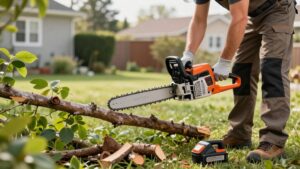
Do Battery Chainsaws Need Oil? Bar Oil, Lubrication and Upkeep
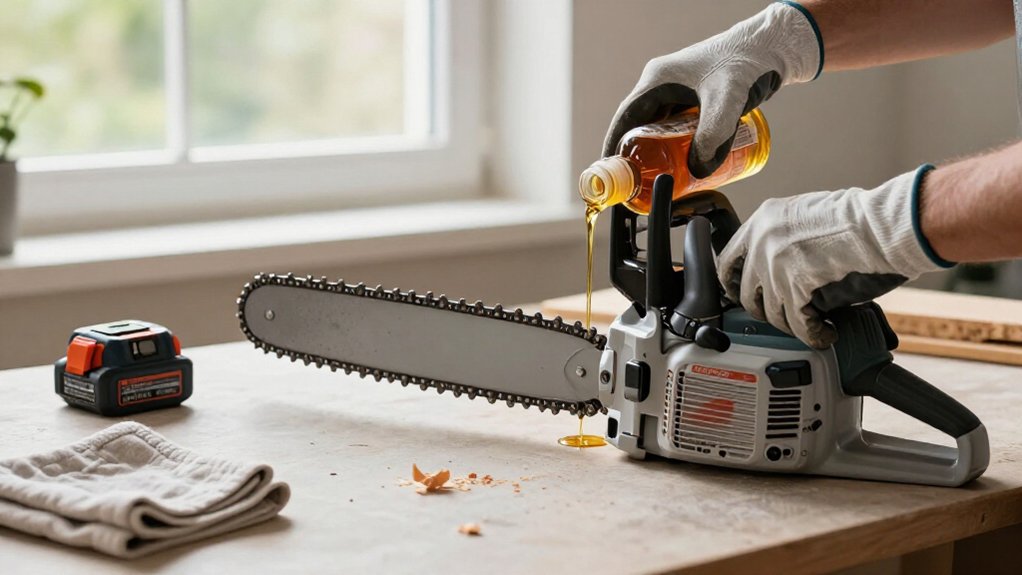
Yes, your battery chainsaw needs bar-and-chain oil to lubricate the guide bar and moving chain, though its electric motor needs no added oil.
Fill the reservoir before cutting, check it during use, and never run the chain dry; lubrication reduces friction, heat, and wear. Use oil recommended by your saw’s manufacturer, and check that it reaches the chain before work.
Switch off the saw and remove the battery before maintenance. The practical details below can help you avoid common lubrication problems.
Battery Chainsaws Need Bar Oil
Yes, battery chainsaws need bar-and-chain oil to lubricate the chain and guide bar, though their electric motors generally don’t need added oil. Use oil formulated for chainsaws; its tackiness helps it cling to the fast-moving chain rather than sling away. Before cutting, fill the oil reservoir according to your manufacturer’s instructions. Don’t run the saw with an empty reservoir, and check the oil level during work.
During heavy cutting, inspect it about every 10 to 15 minutes. Refill as needed so lubrication stays available. If the reservoir runs dry, friction and heat rise, accelerating chain and guide bar wear and potentially damaging the saw. Keep oil accessible and follow any model-specific guidance for oil type and filling. You don’t add motor oil unless your manual says.
Guide Bar and Chain Protection
To protect the guide bar and chain, apply chainsaw bar-and-chain oil before cutting; its tacky formula clings at high speed, forming a film that reduces friction, heat, wear, and the risk of bar damage.
Use oil formulated for chainsaws; ordinary lubricants may not cling reliably to the moving chain. The battery motor generally doesn’t need oil, but the cutting assembly does. Before each use, check the reservoir, then top it up before it runs dry; inspect it again during heavy cutting.
If the chain looks dry or the level falls unusually fast, stop the saw and check for a clogged oiler, a leak, or another oiling-system fault. Don’t keep cutting until lubrication works: a dry chain can rapidly damage the bar and compromise control.
Cutting Through Dry Hardwood
When cutting dry hardwood, keep the chain and guide bar lubricated to limit friction, heat, and wear.
Check the bar-oil reservoir before you start, and refill it before it runs dry. Under heavy cutting loads, inspect the level every 10 to 15 minutes; hardwood can quickly increase demand. Use a sharp chain, and watch the cut: fine sawdust instead of distinct wood chips, or a need to force the saw, can indicate dull cutters.
Stop and sharpen the chain rather than pushing harder. Check chain tension before work and as needed. A loose chain can jump off the bar, while excessive tension accelerates wear. If the chain looks dry or cutting performance drops, stop the saw and check the oil supply and oiler before resuming. Don’t continue cutting until lubrication and chain condition are satisfactory.
Automatic Oiler Components
Your battery chainsaw’s oil pump draws lubricant from the reservoir and meters it through delivery passages to the bar’s oil inlet. Keep these routes clear of debris and dried oil, and adjust the oiler as your model allows. Before cutting, check the oil level and confirm lubricant reaches the bar; stop and inspect the saw if the chain runs dry.
Oil Pump
An automatic oiler pump draws bar-and-chain oil from the reservoir and delivers it to the guide bar and moving chain during operation. Keep the reservoir filled with bar-and-chain oil so the pump can maintain lubrication and avoid running dry. If the chain looks dry or the bar receives little oil, switch off the saw, remove its battery, and inspect the oil level and oil passages for debris.
Never check or clear the system while the saw can start. Unusually oil loss may signal a leak or an oiling-system fault, including a failing pump.
Don’t assume increased consumption is normal; stop use and investigate before cutting again. Follow your owner’s manual for pump checks and servicing, because designs and adjustment procedures vary by model.
Delivery Lines
The delivery line carries bar-and-chain oil from the reservoir toward the guide bar and chain while the saw runs. Keep the oil-cap area clean, since dirt near the outlet can enter the system.
If the chain looks dry even though the reservoir is full, inspect the delivery line for debris, kinks, or blockage. A clogged or damaged line can stop oil flow, raising friction and heat and accelerating wear on both chain and guide bar.
If oil consumption suddenly increases, check the line and its connections for leaks, and inspect the oiler. Before maintenance, disconnect the battery to prevent accidental startup. Clean or replace the line only as your owner’s manual directs, using specified procedures and parts. If damage persists, have the saw serviced.
Oiler Adjustment
Check the owner’s manual before adjusting the oiler. Most battery chainsaws use an automatic oiler to pump bar-and-chain oil from the reservoir to the chain and guide bar while you cut. If your saw has an adjustable oiler, use its control screw or dial, often near the bar or oil tank, to change oil flow as the manual directs. Don’t adjust or service components until you’ve followed the manufacturer’s instructions.
During use, check the reservoir level and confirm that the chain stays lubricated. A dry-looking chain can signal low oil, a blocked passage, or inadequate oiler output. If lubrication seems weak, switch off the saw and clean debris from around the oil cap. Check the oil outlet and visible oil line. Don’t increase flow more than needed: excess oil can fling off and empty the reservoir faster.
Cold-Weather Oil Viscosity
Cold weather thickens bar-and-chain oil, which can slow delivery to your battery chainsaw’s chain. Use a winter-grade viscosity the manufacturer recommends, and warm the oil before use only as directed. Check the oil level and verify that oil reaches the chain; don’t use a substitute so thin it slings off at operating speed.
Cold-Weather Oil Thickening
When temperatures drop, bar-and-chain oil thickens and may flow more slowly through the oiler and along the bar.
Cold oil can leave the chain under-lubricated, increasing friction, wear, and overheating. Check your owner’s manual for oil suited to expected temperatures; recommendations vary by saw and product. Use manufacturer-recommended cold-weather bar-and-chain oil, not ordinary motor oil, which isn’t formulated for this job.
| Check | What to do |
|---|---|
| Oil level | Inspect before each cut |
| Oil delivery | Confirm the chain receives oil |
| Oil type | Use chainsaw bar-and-chain oil |
During operation, watch for lubrication, especially as temperatures fall. If flow seems inadequate, stop the saw safely, disconnect its battery, and inspect the oil supply and bar groove. Never run a dry chain: friction can damage components and raise injury risk if the chain binds. Recheck oil level during extended work, and follow the manual for service and storage in cold.
Choosing Winter Viscosity
In freezing conditions, choose a thinner winter-grade or all-season bar-and-chain oil so it can flow through the oiler and reach the chain and guide bar. When temperatures regularly drop, check your saw manual for its recommended viscosity and use oil rated for those conditions. Summer-thick oil can move too slowly through the lubrication system, leaving the chain inadequately lubricated.
During cutting, inspect the chain’s oiling regularly; refill the reservoir as needed and make sure the chain doesn’t appear dry. If oil flow seems poor, stop the saw safely and check the oil level and system according to the manufacturer’s instructions before continuing. Store your oil as its label directs, and choose a product formulated to maintain suitable flow at your expected operating temperatures.
Warming Oil Before Use
Even with the right winter-grade oil, low temperatures can thicken it and slow the automatic oiler. Store your bar-and-chain oil indoors at a moderate temperature, where it will pour when you refill the reservoir. If the container has become cold, keep it sealed and let it reach room temperature before pouring. Never warm oil over a flame or place it against a direct heat source; heating can create a fire hazard.
Use a winter-grade or thinner oil only when conditions require it, and follow your chainsaw manufacturer’s viscosity recommendations. Before cutting, run the saw and verify that oil reaches the chain, using the procedure in your manual. Stop the saw if lubrication isn’t evident, and correct the issue before you cut. Proper flow protects the bar and chain from friction and premature wear.
Trimming Storm-Damaged Branches
Before trimming storm-damaged branches, switch off the battery chainsaw and remove its battery, then check the chain, bar, and oil reservoir. Fill the reservoir with bar-and-chain oil; it reduces friction and heat as the chain cuts through wood. During extended work, check the oil level; a dry-looking chain can indicate inadequate lubrication. Keep the chain sharp and correctly tensioned to help prevent binding or the chain jumping off while you trim.
Support branches securely before cutting, and assess hidden tension or compression. A shifting branch can destabilize your saw, while a pinched bar can trap the chain or create a sudden hazard. Plan each cut so the branch stays supported while cutting; don’t stand beneath suspended limbs or place hands near the cutting path.
Oil Leaks During Storage
Why might a battery chainsaw drip oil while stored? A small seep can be normal: bar oil remains in the reservoir and delivery passages after use, then slowly escapes as the saw rests.
Before storage, switch the saw off, remove its battery, and wipe oil from the body. Set it on a stable, level surface with the oil cap secured, and place cardboard beneath it to catch drips. Follow your owner’s manual for model-specific storage instructions.
| Check | Action |
|---|---|
| Drips | Place cardboard beneath saw. |
| Cap | Keep secured during storage. |
For persistent loss, check the reservoir and oil line; a leak or faulty oiling system may be responsible. Clean spills promptly and keep the saw away from children, pets, and contamination sources; clean nearby surfaces.
Overfilling the Oil Reservoir
Filling the bar-and-chain oil reservoir above its marked line can cause oil to spill from the tank. Fill slowly to the fill line or viewing window, leaving a small air gap instead of topping it off.
- Use a clean funnel to control the pour and keep debris out of the reservoir.
- Wipe the reservoir and saw after filling, and secure the cap without overtightening.
- Place cardboard beneath your saw to catch excess oil during filling or storage.
- If oil leaks or the level drops unusually quickly, check for a loose cap or an oiling system problem.
Don’t force the cap; a seal can worsen leaks. Keep the saw level while checking the indicator, and refill only when the level falls below the mark.
Clean the Oil Port
Clear the oil port regularly so bar-and-chain oil can reach the guide bar and chain. Switch off your chainsaw, remove its battery, and wait until the chain stops completely. Wipe debris around the oil cap and port before opening them, keeping sawdust and dirt out of the reservoir.
Use a soft brush or cloth to clear visible buildup; don’t push debris deeper into the oil passage. Check that the port is unobstructed.
| Step | Action | Check |
|---|---|---|
| Isolate | Remove battery | Chain stopped |
| Clean | Wipe cap and port | No loose debris |
| Clear | Brush visible buildup | Passage unobstructed |
| Finish | Refit cap; wipe spills | Oil reaches chain |
Before cutting, verify that the chain receives lubrication; if oil doesn’t reach it, stop and inspect rather than running the saw dry.
Conclusion
Your battery chainsaw still needs bar oil to protect the guide bar and chain, especially when you cut dry hardwood or trim storm-damaged branches. Keep the oil port clear, use a viscosity suited to cold weather, and check the automatic oiler.
Don’t overfill the reservoir; wipe leaks before storage. Before each job, follow your manual and inspect the chain. These simple checks reduce wear and help you cut safely throughout the life of your saw.