
Are Pole Saw Attachments Universal? Brand Compatibility Guide
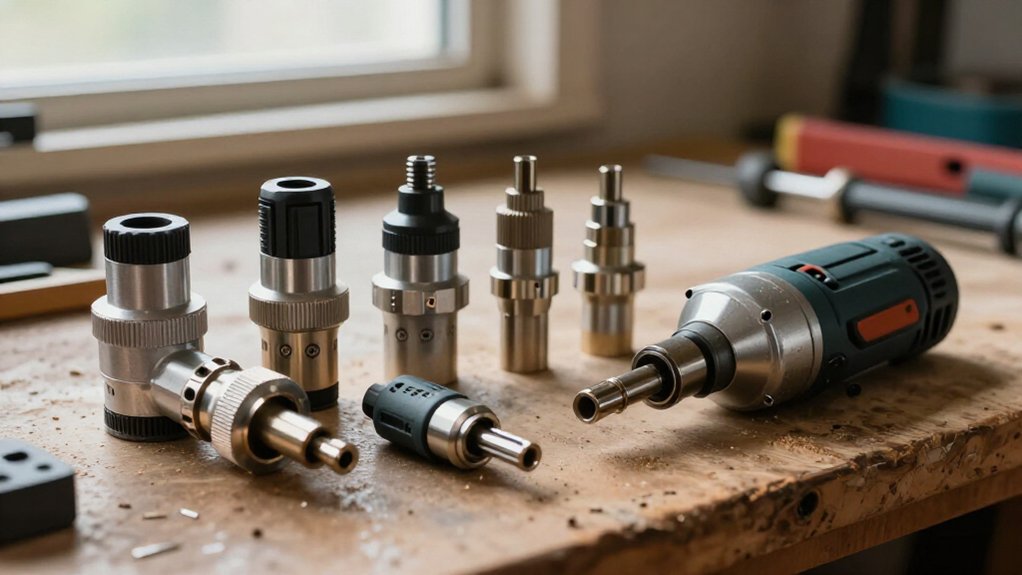
Pole saw attachments aren’t universal: you need a head approved for your powerhead model, not just the same brand or shaft diameter. Husqvarna split-shaft systems and STIHL KombiSystem use model-specific interfaces, and gas and battery powerheads may differ too.
Before you buy, verify the manufacturer’s compatibility chart, coupler, drive connection, locking pin, and extension limits. Don’t force a mismatch or improvise an adapter. The guide explains the details that help you choose safely.
Brand-Specific Coupler Designs
Although pole-saw attachments may share a similar shaft diameter, their couplers aren’t necessarily interchangeable: locking tabs, slots, and retaining pins must match the powerhead. Treat the coupler as a brand- and model-specific interface, not a universal fitting. Husqvarna detachable-system attachments are generally intended for compatible Husqvarna split-shaft powerheads; another manufacturer’s connector may use different geometry and fail to lock, even if it appears close.
STIHL KombiSystem attachments likewise fit compatible STIHL KombiEngines, so don’t assume a similarly sized coupler from another brand will work. Before you buy, check the manuals for the exact powerhead and attachment models, and confirm the approved combination. Some model-specific setups may require an adapter. Don’t force a connection: a misaligned coupler can prevent secure engagement and create a safety risk.
Motor Shaft Diameter Chart
Common gas-powered split-shaft pole-saw systems often use drive-shaft tubes about 1 inch (25.4 mm) in diameter, but brands and models vary. Use this chart as preliminary screening.
| Check | What to verify |
|---|---|
| Gas tube | About 1 inch; varies by model |
| Coupler | Must fit powerhead |
| Pin | Must align and lock |
| Battery/electric | Match exact product series |
Treat diameter as a screening measurement, not proof of interchangeability. Check the powerhead and attachment specifications for your brand and model; measure the tube’s outside diameter only as a preliminary check. The coupler, locating pin, and drive-shaft connection must also match. Battery and electric tools may use proprietary interfaces, so a matching diameter won’t guarantee compatibility. Don’t force a close-fitting attachment: a mismatch can loosen, fail to engage, or damage equipment.
Drive-Shaft Spline Count
After checking tube diameter, verify the drive-shaft spline count: common counts include 7, 9, and 10, but no universal standard applies. The spline count refers to the ridges at the powerhead shaft end that engage the attachment’s drive coupling. Count those ridges, then compare the result with the attachment’s specifications; don’t assume a match because the brands match or the parts look alike.
The coupling must fit the shaft’s diameter and shape, so equal spline counts don’t establish compatibility. Some drive systems use square shafts or other keyed connections rather than splines; in those cases, spline count isn’t relevant, and the connection type must match. Never force a mismatched coupling onto the shaft. Choose an attachment the manufacturer lists as compatible with your drive system.
Pole Extension Locking Mechanisms
Your pole extension may use a twist collar, lever latch, spring-loaded pin, or threaded connection, but matching the locking style alone doesn’t guarantee fit. Check tube diameter and collar geometry, pin alignment, or thread diameter, pitch, and direction, and confirm whether the fit is brand-specific. Before use, make sure the joint seats and locks fully, and follow your saw manufacturer’s approved-extension and maximum-reach limits.
Twist-Lock Extensions
Twist-lock extensions secure pole sections by rotating one tube inside another, which tightens an internal cam or collet around the shaft. Because manufacturers don’t standardize tube diameter, collar shape, or engagement depth, a twist-lock extension may not fit or grip safely. Match the extension to your pole saw’s model, shaft diameter, and locking system; a collar that looks similar doesn’t confirm compatibility.
Don’t force mismatched sections or add an adapter unless the manufacturer approves it: a loose joint can separate or rotate under cutting load. Before cutting, clear dirt and sap from the joint, tighten the lock, and check for slipping or play. Wear can weaken its grip, so replace parts that won’t hold. If you can’t verify the match, contact the saw maker before extending the pole.
Pin-Lock Systems
A pin-lock system secures a pole-saw attachment when its spring-loaded pin clicks fully into an aligned hole in the pole or coupler. Don’t assume this connection makes attachments universal: brands may use different pin diameters, hole positions, pole diameters, and coupler shapes. Every dimension and interface must match your specific extension and saw head.
If the pin only partly enters its hole, the joint can loosen or rotate under load, even if it seems secure at first. Some models add a collar or locking sleeve to reduce movement, but that feature can’t correct an incompatible fit. Before use, confirm the pin is fully seated, check the joint for excessive play, and verify that the manufacturer approves your exact pole-and-attachment combination. Standards vary by model.
Lever-Lock Mechanisms
When you close a lever lock, its external cam clamp grips the pole’s inner tube to secure a telescoping section.
A lever lock controls pole extension, not the interface between a pole saw head and shaft. Its presence doesn’t prove that parts from different brands—or even different product lines—fit together. Check the attachment joint’s diameter, shape, and retention design against the manufacturer’s specifications; some models use pin-and-hole or proprietary couplings instead. If the joint doesn’t match, the lever can’t make an incompatible head secure.
You may need to adjust the lever’s tension so it holds the pole firmly. Don’t overtighten it: excessive pressure can deform the tube or damage the clamp. Before operating the saw, confirm that the manufacturer approves your pole-and-head combination for your model. Close the lever fully, then check that the joint won’t rotate or slide under hand pressure.
Threaded Connections
Although threaded connections screw together through matching male and female fittings, appearance alone doesn’t confirm compatibility: the thread diameter and pitch must match or the joint may bind or wobble. Pole-saw systems may use proprietary threads or industry-style fittings, including 1¼-inch round or square connections, so don’t assume a standard.
Check your pole’s manual and compare the attachment’s shape, dimensions, thread direction, and locking method before buying an extension or head. On some poles, the threads only seat the attachment; a collar, clamp, or locking pin keeps the joint from loosening. Confirm that the lock engages, rather than treating a screw connection as sufficient. Don’t force mismatched threads or improvise an adapter: a loose or damaged joint can let the saw head rotate or detach.
Brand-Specific Locking Fits
Even if an extension matches your pole’s shaft diameter, its brand-specific locking collar, button, pin, or keyed connector may not fit the powerhead or attachment. Some systems use a spring-loaded button that must click into a hole; others rely on threaded or quarter-turn collars. These locking parts aren’t interchangeable, and even products from one brand may use different couplers across families or generations. Check exact model numbers and the manufacturer’s compatibility chart; shaft diameter alone doesn’t establish a match.
Don’t force a connector or improvise an adapter: a loose or engaged lock can let the attachment rotate or detach while cutting. Confirm the lock engages fully, the connection has no play, and the manual lists the pole, extension, and attachment combination as compatible.
Attachment Head Compatibility
Pole saw attachment heads aren’t universally interchangeable; fit depends on the powerhead’s shaft diameter, coupler design, and locking mechanism.
Many systems use a straight shaft with a specific twist-lock or bolt-secured coupler, so a similar-looking head may still fail to seat or lock. Check the attachment maker’s stated shaft and coupler specifications against your exact powerhead model. Don’t rely on brand name alone; brands sometimes share standards across selected models, but not every product line.
Confirm compatibility in both manufacturers’ fitment lists before you buy. A curved-shaft powerhead or a proprietary or non-detachable design generally won’t accept a standard attachment head. If a maker omits your model or gives conflicting specifications, contact its support team before ordering, rather than assuming a close match will work.
Retainer Pin Clearance Variations
A pole saw attachment can match your powerhead’s shaft diameter and still fail to lock because its retainer pin doesn’t align with the receiver. Brands may use different pin diameters, protrusion lengths, hole positions, and insertion depths, so a shaft size doesn’t prove that an attachment fits your powerhead. An overlong pin can bind against the receiver; a short or offset pin may not engage, letting the pole saw loosen during use.
Check the manuals or measure the pin and receiver opening, including location and required seating depth. Don’t file, bend, or remove the pin to force compatibility; that can weaken the lock. If dimensions remain uncertain, choose only an adapter approved for both models. A connection that looks close isn’t secure under load.
Gas-to-Battery Conversion Limits
Because gas and battery powerheads can use different couplers, shaft dimensions, drive connections, and safety controls, you can’t assume an attachment will transfer between them. Even when both units accept pole-saw attachments, a battery powerhead usually won’t run a gas-engine attachment unless the manufacturer lists that exact attachment and connector system as compatible.
To convert a gas saw to battery power, you’ll typically need to replace the powerhead and match the shaft or attachment interface; swapping only the engine won’t establish compatibility. Before buying, check the brand’s compatibility chart and confirm both model numbers. Similar-looking couplers don’t prove a secure fit or proper drive engagement.
Don’t improvise with homemade adapters or modify the connection: the attachment could detach, bind, or run beyond its intended speed and safety limits. If the maker doesn’t approve the pairing, choose a listed combination for your model.
Oil-Feed Tube Routing Errors
Route the oil-feed tube exactly as the attachment manual shows; pinching it between the extension shaft and powerhead can stop lubrication to the bar and chain. Keep the tube connected to the attachment’s designated oil outlet and aligned with its matching port. Similar-looking couplers from another brand may not seal or line up. Fit matters at connections.
- Avoid sharp bends, twists, and contact with hot engine or exhaust parts; restrictions can reduce oil flow, while heat can damage the tube.
- After assembly, run the saw briefly and confirm oil reaches the chain; stop immediately if the bar or chain stays dry.
- If a joint leaks or the tube pulls loose, switch off the powerhead; check routing, connector seating, and attachment-specific parts before use.
Saw-Head Gearbox Ratios
Once the oil-feed connections are correct, check the saw head’s gearbox ratio: it trades motor speed for chain torque, commonly using about 2:1 to 3:1 reduction.
A higher reduction ratio generally turns the chain more slowly but can improve cutting force. Your actual chain speed also depends on powerhead output speed and sprocket size. So a matching shaft or coupler doesn’t guarantee matching performance.
- Check manuals for ratio, compatible models, and required chain speed before pairing brands.
- Don’t assume attachments from the same brand share gearing; ratios remain model-specific.
- Use only the manufacturer-approved head and operating speed; incompatible powerheads or altered gearing can overload the gearbox, chain, or drive system.
Verify compatibility with the manufacturer before you buy or operate the attachment.
Conclusion
Pole saw attachments aren’t universally interchangeable: you must match the coupler, shaft diameter, spline count, extension lock, and retainer-pin clearance. Even within one brand, models and product generations may differ, so verify the exact tool and attachment numbers before buying. Don’t assume a gas head can run on a battery powerhead, or that matching fittings guarantee correct oil routing or gearbox performance.
Check your owner’s manual or manufacturer compatibility chart; if specifications don’t align, choose a confirmed-fit attachment instead.
