9 Best Gas Chainsaws for the Money in 2026
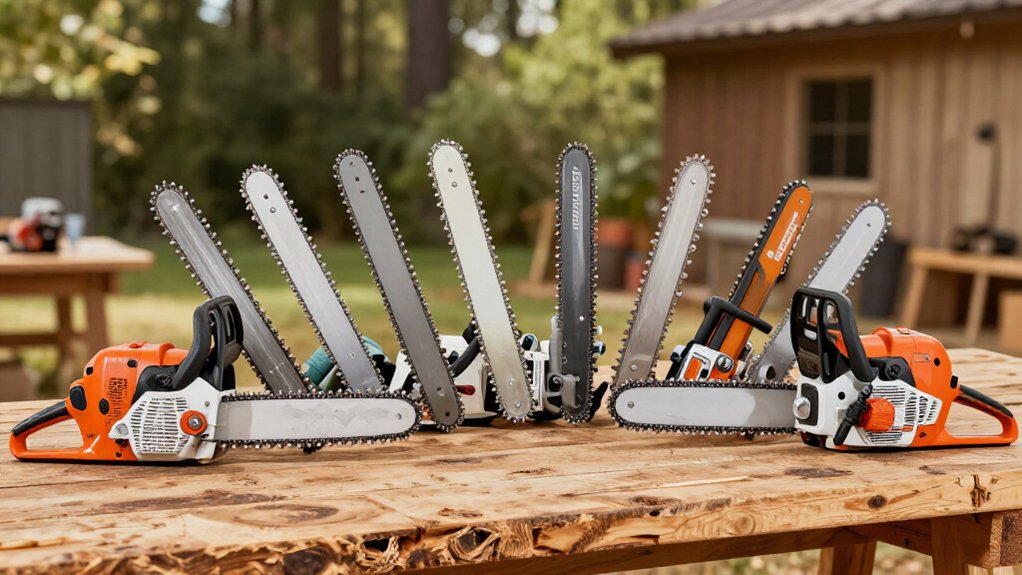
The best gas chainsaw for your money is the one that matches your cutting jobs without making you pay for power or features you won’t use.
For larger trunks and firewood, consider a 20-inch model such as the VEVOR 62cc or IVOVI 63cc. For routine yard work, the Husqvarna 130 offers a 14 to 16-inch bar, while compact VEVOR and JAYGOVAN saws suit smaller cuts.
Compare starting, handling, safety, and maintenance features to find your best fit. The picks below help you weigh your options.




More Details on Our Top Picks
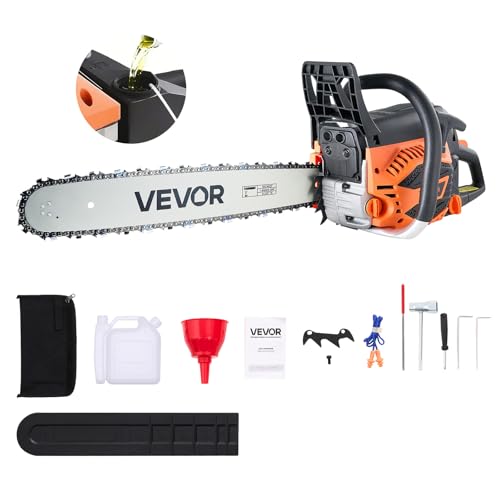
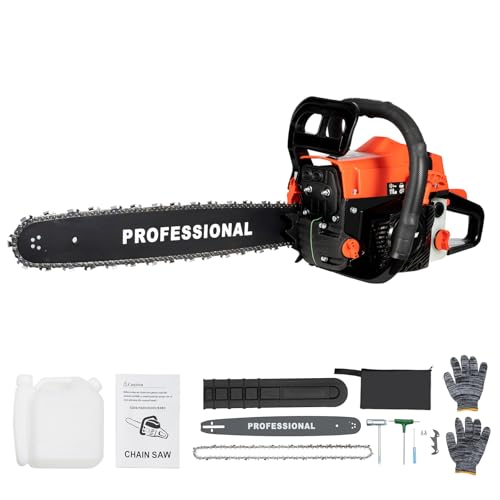
VEVOR 20-Inch 62CC Gas-Powered Chainsaw (3.8 HP)
For large cutting jobs, VEVOR’s 62cc chainsaw brings plenty of power and reach. Its 3.8-horsepower two-stroke engine reaches 12,000 rpm, while the 20-inch bar handles wood up to 18 inches across. You can use it for logging, trimming, and land clearing around home or on demanding jobs.
Cold- and hot-start options help in changing conditions, and an extended pull rope eases starting. Adjust chain tension as needed. A non-slip handle, chip guard, and emergency-stop lever support safer operation. The 550 ml fuel tank and 40:1 mixture keep the chain lubricated; its reinforced composite body resists impact and extreme temperatures well.
- Engine Size:62 cc
- Bar Length:20 in
- Fuel Type:Gasoline
- Product Type:Gas-powered chainsaw
- Brand:VEVOR
- Model:CN-62G
- Additional Feature:3.8 HP engine
- Additional Feature:Emergency-stop lever
- Additional Feature:Impact-resistant composite body
Husqvarna 130 Gas Powered Chainsaw 16 Inch
The Husqvarna 130 is a standout brand pick for homeowners who want a manageable, 16-inch saw for routine yard work. Its 38-cc, 2-HP X-TORQUE engine is designed to deliver power at low RPMs, giving you a practical option for common cutting tasks. A fuel pump and combined choke/stop control help you start it more easily and reduce flooding.
For added confidence, the inertia-activated chain brake helps reduce kickback injury risk, while LowVib dampeners limit vibration and fatigue. Centrifugal Air Injection removes larger dust and debris before they reach the air filter, helping protect engine life. The saw supports recommended 14 to 16-inch bars.
- Engine Size:38 cc
- Bar Length:16 in
- Fuel Type:Gasoline
- Product Type:Gas-powered chainsaw
- Brand:Husqvarna
- Model:967108411
- Additional Feature:Inertia-activated chain brake
- Additional Feature:LowVib dampeners
- Additional Feature:Centrifugal Air Injection
VEVOR Gas Powered Chainsaw 25.4CC 2-Cycle 12 Inch 1.2HP Cordless Chain Saw
At just 9.26 pounds, this lightweight pick suits homeowners who need a gas saw for trimming and smaller felling jobs. Its 25.4cc two-cycle engine delivers 1.2 horsepower, with 0.75 kW at 8,500 RPM and a maximum speed of 11,500 RPM. You can tackle cuts up to 9.84 inches with its 12-inch bar and high-strength steel chain, while the design helps limit sawdust splatter.
The ergonomic wraparound grip supports handling, and the top-handle layout keeps the saw compact. A 230 ml fuel tank has an outer shell designed to resist leaks and conditions; the 160 ml chain-oil tank supplies lubrication.
- Engine Size:25.4 cc
- Bar Length:12 in
- Fuel Type:Gasoline
- Product Type:Gas-powered chainsaw
- Brand:VEVOR
- Additional Feature:Lightweight top-handle design
- Additional Feature:Ergonomic wrap-around grip
- Additional Feature:Leak-resistant fuel tank
NAZEAOB 20-Inch 58CC Gas Chainsaw Kit
Farmers needing a portable saw for outdoor jobs get a strong farm pick in the NAZE AOB GUIOL452. You get a 58cc, two-stroke fuel-powered engine and a 20-inch bar for cutting wood and trees.
Its hand-pull start and air-cooling system support outdoor use, while its portable design suits garden and farm jobs. You’ll need to pull the starter by hand, so plan for a manual start rather than an electric one. The kit’s 20-inch reach gives you a longer bar for cutting tasks than compact saws, though choose it only if its size and fuel-powered operation match your needs.
- Engine Size:58 cc
- Bar Length:20 in
- Fuel Type:Gasoline
- Product Type:Gas chainsaw kit
- Brand:NAZE AOB
- Model:GUIOL452
- Additional Feature:Hand-pull start
- Additional Feature:Air-cooling system
- Additional Feature:Portable design
IVOVI 63CC Gas Chainsaw with 20-Inch and 18-Inch Bars
For ranch owners who need one saw for bucking and limbing, the IVOVI offers strong two-bar value with 20- and 18-inch options. Its 63cc two-cycle engine produces 3.7 horsepower, reaching 8,500 rpm and a chain speed of 85 feet per second. Use the 20-inch bar on wider trunks and thick rounds, then fit the 18-inch bar for limbing, trimming, or tighter spaces.
The saw weighs 14 pounds, and its easy-start recoil system helps reduce pulling effort. Shock-absorbing handles support a steadier grip during longer jobs. An automatic oiler feeds the bar and chain, helping limit friction and heat as you prepare firewood or clear fallen limbs.
- Engine Size:63 cc
- Bar Length:18 in and 20 in
- Fuel Type:Gasoline
- Product Type:Gas chainsaw
- Brand:IVOVI
- Model:IVOVI
- Additional Feature:Two interchangeable bars
- Additional Feature:Easy-start recoil system
- Additional Feature:Automatic chain oiler
62cc 20 Inch Gas Chainsaw for Tree Cutting Firewood Logging (20in)
Baococo’s 62cc, 20-inch chainsaw suits winter firewood cutters, with a pre-heating carburetor for cold-weather use. With its 20-inch bar, you can tackle tree cutting, prepare firewood, and handle logging jobs. The model YYJ2601RB1822 has a forged magnesium crankcase, which helps give the saw a foundation, while tool-free chain tensioning lets you adjust the chain without reaching for tools.
A 3D anti-kickback chain brake system adds a safety feature, though you should wear protective gear and follow safe operating practices. Its engine meets EPA Phase III and CARB requirements, making this Baococo an option if you need a gas saw for cutting tasks.
- Engine Size:62 cc
- Bar Length:20 in
- Fuel Type:Gasoline
- Product Type:Gas chainsaw
- Brand:Baococo
- Model:YYJ2601RB1822
- Additional Feature:3D anti-kickback brake
- Additional Feature:Forged magnesium crankcase
- Additional Feature:Tool-free chain tensioning
63CC Gas-Powered 20-Inch Chainsaw (63ACG Upgrade)
The PINKWAY 63ACG Upgrade suits homeowners who regularly cut firewood and tackle medium-to-large yard jobs. Its 63cc two-cycle engine delivers 3.5 hp and reaches 8,500 rpm, giving you power for trees, branches, landscaping, and logging.
The 20-inch high-hardness bar pairs with a reinforced, wear-resistant, low-kickback chain for cuts. A rope wheel can ease starting with fewer pulls, while automatic oiling keeps the bar and chain lubricated. Anti-vibration, non-slip handles and ergonomic design help you work comfortably and maneuver the saw. A safety device helps prevent accidental starts. Air cleaning extends filter life; stated fuel savings reach 20%. Durable engine components support use.
- Engine Size:63 cc
- Bar Length:20 in
- Fuel Type:Gasoline
- Product Type:Gas-powered chainsaw
- Brand:PINKWAY
- Model:63ACG Upgrade
- Additional Feature:Anti-vibration handle
- Additional Feature:Automatic chain oiler
- Additional Feature:Air-cleaning system
JAYGOVAN 12 Inch Top Handle Gas Chainsaw 25.4CC 2-Cycle Small Gas Chainsaw
With its compact top-handle design, the JAYGOVAN is suited to pruning branches and maintaining orchards. You get a 25.4CC two-cycle engine rated at 900W and 1.22 hp, reaching up to 9,000 rpm. Its 11.8-inch bar handles cuts up to the bar’s diameter, making it useful for yard work, shrub trimming, and trunks.
At 9.13 pounds, it stays light for maintenance, though you’ll still need a grip and technique. Pull-start ignition is manual; a safety lock, automatic reset switch, and protective guard support safer operation. The 230-ml tank requires a 25:1 gasoline-to-oil mix; use the included bottle to measure fuel.
- Engine Size:25.4 cc
- Bar Length:11.8 in
- Fuel Type:Gasoline
- Product Type:Top-handle gas chainsaw
- Brand:JAYGOVAN
- Model:Gas Chainsaw
- Additional Feature:Safety lock
- Additional Feature:Automatic reset switch
- Additional Feature:Protective guard
WTHW 58 cc Gas Chainsaw 20 in & 18 in Quick-Switch Bars 2 Chains
For homeowners who switch between felling and limbing, WTHW’s 58 cc saw makes a strong quick-switch choice. Its 2-stroke engine pairs with a 30% larger fuel tank, so you work longer between refueling stops. The package includes 20-inch and 18-inch bars plus chains, and the Quick-Switch system lets you change setups in seconds for clearing or pruning.
Quick-Start recoil is designed to start within a few pulls, while the included scrench lets you tension the chain onsite. A centrifugal air filter and automatic oiler help protect the engine. You get an inertial chain brake, low-kickback chain, and dual-spring vibration control.
- Engine Size:58 cc
- Bar Length:18 in and 20 in
- Fuel Type:Gasoline
- Product Type:Gas chainsaw
- Brand:WTHW
- Model:WTHW
- Additional Feature:Quick-switch bars
- Additional Feature:Dual-spring anti-vibration
- Additional Feature:Inertial chain brake
Factors to Consider When Choosing Gas Chainsaws for the Money
To find the best value, match engine power and bar length to the jobs you’ll tackle. Consider how easily you can start and handle each saw, along with its safety features. Check fuel and oil efficiency to estimate ongoing costs.
Engine Size and Power
How much power do you need? Match engine size to the work you expect to do. Displacement, measured in cubic centimeters (cc), indicates engine size. Lighter-duty models may start around 25.4 cc, while saws for demanding work can reach 62–63 cc. Higher displacement often delivers more cutting power, but it can also add weight and increase fuel use. Don’t pay for capacity you won’t use.
Horsepower gives you another way to compare output; examples range from about 1.2 to 3.8 hp. Don’t judge a saw by engine speed alone. Consider speed alongside displacement, horsepower, and the size of the wood you need to cut. A lower-power engine may handle occasional pruning and small branches. For firewood, thick rounds, or larger trees, you’ll generally want more power.
Bar Length and Capacity
Engine power matters, but bar length determines the width of wood your saw can reach in one pass. Match the bar to the material you expect to cut: a shorter bar is easier to maneuver for pruning, while a longer one can reach across wider trunks.
A 12-inch bar suits smaller cuts; compact saws can handle wood up to 9.8 inches in diameter. A 14- to 16-inch bar suits yard work and medium-sized wood. Choose an 18- or 20-inch bar for trunks; some 20-inch models are specified for wood up to 18 inches in diameter. Don’t judge capacity by reach alone.
Your engine must have enough power to drive the chain through the cut without straining. Match both specifications to your jobs, not reach you rarely need.
Starting and Handling
A saw’s starting system and handling can make routine cutting easier and less tiring. Look for an easy-start recoil system, fuel pump, or extended pull rope to reduce the effort needed to fire up the engine. Straightforward controls matter, too: a combined choke/stop control can simplify startup and help keep you from flooding the engine.
Then compare weight and grip design. A lighter saw with ergonomic, non-slip handles is generally easier for you to maneuver through routine cuts. If you work for longer stretches, anti-vibration dampeners or shock-absorbing handles can help limit hand fatigue. Also check how you adjust chain tension. A convenient adjuster makes routine maintenance quicker and less frustrating. These details can improve your comfort and ease of use during daily work.
Safety Features
Safety Features
When kickback or another mishap occurs, safety features can help you respond quickly. Look for an inertia-activated chain brake; it can stop the chain rapidly if kickback throws the saw back. A low-kickback chain and hand guard can limit your exposure to kickback and flying wood chips. These protections matter, but they don’t replace sound cutting technique.
Anti-vibration handles can ease hand fatigue, helping you keep a steadier grip during longer cuts. Check that safety locks or guarded controls prevent accidental starts and unintended operation. You should also be able to reach the stop control without fumbling; in an emergency, quick shutdown can reduce the chance of further injury. Compare these safeguards across models, and choose a saw that lets you work with confidence.
Fuel and Oil Efficiency
Fuel and oil use can shape a gas chainsaw’s long-term cost as much as its purchase price.
Compare tank capacity with your workload: a larger tank may mean fewer refueling stops, but it won’t tell you how quickly the engine burns fuel. Check fuel-consumption figures. A claimed 20% reduction could lower operating costs, though your savings depend on cutting load and conditions.
Use the fuel-to-oil ratio your manufacturer specifies; two-stroke models may call for ratios such as 40:1 or 25:1. Measure carefully to protect the engine. Assess chain-oil capacity and automatic lubrication: adequate delivery helps limit friction and heat. Include both fuel and chain oil in your running-cost estimate, since each is a consumable, and use varies with cutting time and load.
Durability and Maintenance
Running costs aren’t the only measure of value; durability and easy maintenance can also save you time and money. Choose a saw with an impact- and heat-resistant body or forged-metal crankcase to handle demanding work. An automatic chain oiler reduces friction and heat, while an accessible tensioning system helps you make routine adjustments quickly.
Centrifugal air filtration removes larger dust and debris before they reach the filter, helping protect the engine and extend service life. Look for maintenance features you can use in the field, such as on-site tensioning with a scrench. When replacing the chain, match its pitch, gauge, and drive-link count to the saw’s bar. If you’re cutting in cold weather, a winterized carburetor with pre-heating can help the engine run reliably.
Included Bars and Accessories
Check whether a gas chainsaw includes one bar or multiple bars, such as 18- and 20-inch options for different cuts. These sizes let you tailor the setup to limbing or wider wood. Confirm each bar comes with a compatible chain; its pitch, gauge, and drive-link count must match. A second bar and chain can add value if you switch between trimming and cutting larger logs, but compare the kit’s contents with your actual needs.
Don’t pay extra for gear you won’t use. Check for maintenance tools such as a scrench, which helps you adjust chain tension on site. Also review how you change bars and adjust chain tension. A quick-switch design or tool-free tensioning makes accessories easier to use and can save time outside.
Frequently Asked Questions
How Often Should I Sharpen a Gas Chainsaw Chain?
Sharpen your gas chainsaw chain whenever it dulls, often after several hours of cutting, or sooner if you hit dirt or rocks. You’ll notice fine sawdust, slow cutting, or pulling; inspect your cutters regularly and closely.
What Fuel Mixture Should I Use in a Two-Stroke Chainsaw?
Use the fuel ratio your chainsaw’s manufacturer specifies; many modern models require 50:1, while older or specific engines may need 40:1. Mix fresh gasoline with quality two-stroke oil, and don’t use straight gasoline or guess.
How Should I Store a Gas Chainsaw During the Off-Season?
For off-season storage, drain the fuel or add stabilizer according to your manual, then run the engine. Clean your saw, loosen chain tension, protect the bar, and store it upright somewhere cool, dry, and locked.
What Protective Gear Should I Wear When Operating a Chainsaw?
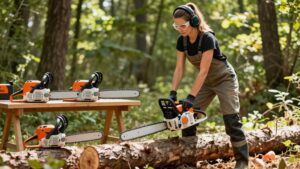
Wear a helmet with face shield, hearing protection, safety glasses, chainsaw-resistant chaps, sturdy gloves, and steel-toed, nonslip boots. Choose properly fitted gear, inspect it before each use, and keep every item secured while you work.
How Can I Reduce Chainsaw Emissions and Fuel Consumption?
You can reduce emissions and fuel use by keeping your air filter clean, sharpening the chain, using fresh, correctly mixed fuel, maintaining the engine, avoiding unnecessary idling, and choosing an appropriately sized saw for jobs.
Conclusion
Choose a gas chainsaw that matches the wood you cut, not just the lowest price. For regular firewood and larger trees, prioritize engine power, bar length, reliable starting, and available replacement parts. For occasional pruning, a compact model may save you money and effort. Check what’s included, compare warranty coverage, and use proper protective gear every time. The best value is the saw you can handle safely and maintain easily, so you’ll get dependable performance without paying for features you don’t need.