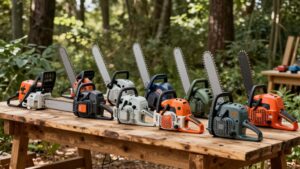
How to Choose a Gas Chainsaw: Engine CC, Bar Length and Weight Explained
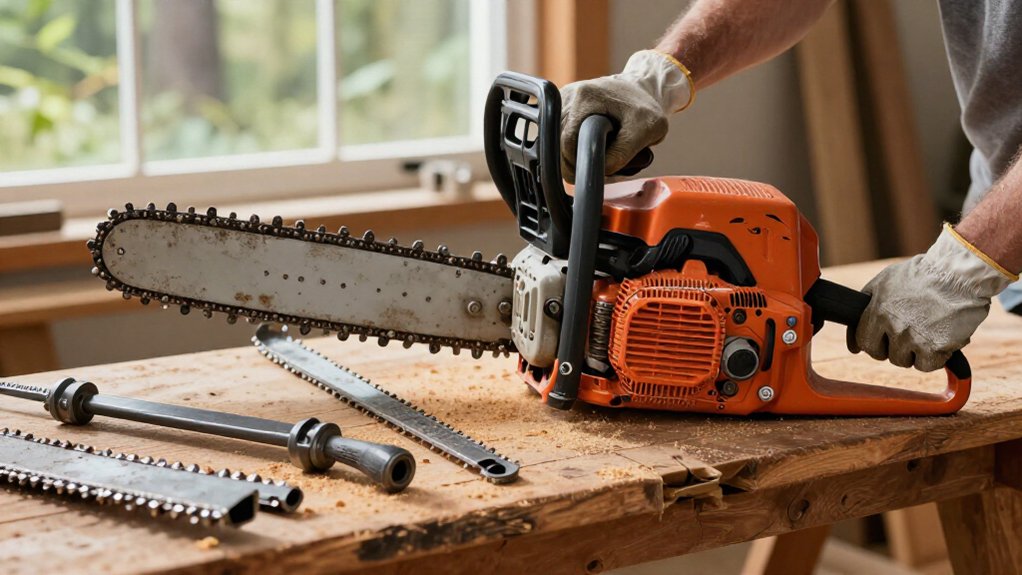
Choose engine size by matching it to your wood and workload: 40 to 50cc suits routine property cleanup, while 50 to 60cc handles regular firewood and medium logs; larger cuts may need 60cc or more.
Pair the saw with a 16 to 20-inch bar for versatile work, and compare power with dry weight so you can control it without tiring quickly. Check approved bar and chain specifications, parts availability, and tensioner operation before buying. You’ll find more practical checks below here.
CC, Bar Length, Weight
Engine displacement, measured in cc, helps match a saw to the work: 25 to 35cc suits light yard tasks, 40 to 50cc general property maintenance, 50 to 60cc firewood and medium-duty cutting, and 60cc or more larger logs and demanding jobs.
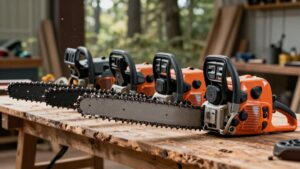
A 45 to 60cc model with a 16 to 20-inch bar balances cutting capacity and control; a 62cc saw adds power but weighs more. Match bar length to the material: choose 12 to 14 inches for small limbs, 16 inches for yard work, 18 to 20 inches for property tasks, and 24 inches or longer for large logs. As a guide, select a bar about 2 inches longer than the material’s diameter. A longer bar handles larger cuts but is harder to maneuver. Consider weight, too. A larger engine can tire arms and hands; for occasional use, choose a model you can control safely.
Firewood Cutting Frequency
How often you cut firewood should guide your choice. For occasional cutting, choose a manageable saw rather than the largest engine. A lighter, balanced model can reduce fatigue during short sessions, while enough power for typical logs keeps cuts controlled. For regular firewood work, a 50 to 60cc gas chainsaw offers a practical middle ground between power and usability.
Pair it with a 16 to 20-inch bar; 18 to 20 inches suits many property and firewood users. If you cut frequently or handle larger logs, a 62cc saw can provide extra power, but expect more weight. That added mass may tire you sooner during repeated cuts. Match engine size and bar length to your schedule and wood dimensions. An undersized saw may struggle; an oversized one can cause unnecessary fatigue.
Fueling and Maintenance Needs
Your cutting schedule also affects how much upkeep you’ll handle. Carry approved gasoline in a suitable container; extra fuel can keep work moving where outlets or chargers aren’t available. Before buying, confirm you can source filters, plugs, caps, recoil-starter parts, clutch covers, and bar nuts.
| Check | What to verify |
|---|---|
| Fuel | Carry extra safely |
| Air and ignition | Air filter, spark plug |
| Hardware | Fuel cap, bar nuts |
| Chain fit | Pitch, gauge, drive-link count |
Match chain to bar and sprocket by pitch, gauge, and drive-link count, not length alone. A “20 / 3/8 / .050 / 72DL” chain fits a 20-inch bar with 3/8-inch pitch, .050-inch gauge, and 72 links. Plan inspection time, use specified parts, and refuel outdoors with the engine cool and ignition sources clear.
Gas Versus Electric Tradeoffs
When you compare gas and electric saws, match power and runtime to your cut size and workload: gas handles demanding cuts and runs while you have fuel, while battery models suit lighter, occasional work. Consider noise, emissions, weight, and maintenance, especially if you’ll cut near homes or carry the saw for long periods. Choose a model you can control safely, and follow its operating instructions.
Power And Performance
Gas chainsaws generally deliver more power than electric models, making them a strong choice for large logs, hardwood, firewood, and other demanding outdoor work. That extra cutting capacity helps you handle tougher jobs, but it doesn’t replace proper technique: match the saw and bar to the wood, keep a firm two-handed grip, and wear protective equipment.
For lighter or occasional cutting, a battery chainsaw may be easier to manage. Many models start with a button, run more quietly, produce no direct emissions, and need less maintenance. Their lower weight and vibration can reduce fatigue, though performance varies by model and workload.
Choose based on wood size, how often you cut, and where you work. Gas suits heavy or remote tasks; electric can fit small jobs and noise-sensitive areas.
Runtime And Refueling
Cutting capacity is only part of the choice; consider how long you need to work and how you’ll replenish power. A gas chainsaw can keep running as long as you have fuel, which suits extended outdoor jobs and sites without outlets or chargers. You’ll need to stop and refuel, so bring an approved fuel container and follow the manufacturer’s instructions.
A battery saw runs until its charge is depleted; lithium-ion batteries provide a defined runtime between charges. Keep a charged spare on hand if you need to minimize downtime, and use the saw’s push-button start when you’re ready to cut. Choose based on how often you cut, the wood’s size, and access to fuel, outlets, or charged batteries. For longer sessions and demanding cuts, gas may fit; for shorter tasks, electric can simplify operation.
Noise And Emissions
Because gas chainsaws produce exhaust while running, use them outdoors and consider nearby people and air quality. Gas engines also create substantial noise, so wear hearing protection and check local rules before cutting. Keep bystanders at a safe distance; hearing protection doesn’t protect them.
Battery chainsaws produce no direct emissions at the point of use and generally run more quietly, making them a better fit for occasional, light-duty work near homes or in noise-sensitive areas. They still need charged batteries.
Choose gas when sustained cutting capacity matters and you can manage exhaust and noise responsibly; choose electric when reducing local emissions and disturbance matters more. Match the saw to the task, and avoid cutting when conditions make it hard to hear warnings or communicate.
Portability And Maintenance
Beyond noise and emissions, portability and upkeep can shape which saw fits your work. Gas chainsaws suit remote jobs because you don’t need an outlet or charger; you can keep cutting as long as you have fuel. Battery saws start at a button press and run quietly with zero direct emissions, making them convenient for occasional work near homes.
They need less upkeep than gas saws, which require care of the air filter and spark plug. Battery models are often lighter and vibrate less, helping reduce fatigue in your hands, arms, and shoulders.
Weigh the saw and its upkeep against the task. For long jobs, heavier gas saws may suit; choose a lighter electric cleanup saw. Choose equipment you can control safely.
Rural Property Cleanup
For fallen branches and storm debris, a manageable 25 to 50cc saw often handles routine cleanup; larger or demanding cuts may call for 60cc or more. Choose a 12 to 16-inch bar for small limbs or a 16 to 20-inch bar for larger logs, aiming for a bar about 2 inches longer than the wood’s diameter for a one-pass cut. Compare power with dry weight, and pick a saw you can control comfortably to limit fatigue and reduce accident risk.
Clear Fallen Branches
When clearing fallen branches on rural property, choose a saw you can handle comfortably: a 25 to 35cc model suits small limbs and light yard work, while a 40 to 50cc saw offers more capacity for general cleanup and small firewood. For most small branches, a 12 to 14-inch bar is practical; choose a 16-inch bar for broader cleanup. Match bar length to typical branch diameter; about 2 inches of extra bar provides reach for a one-pass cut. Don’t choose the largest saw available: extra weight tires your arms and hands, slows cleanup, and increases fatigue-related safety risks.
Check bar and sprocket specifications: pitch, gauge, and drive-link count, before buying a replacement chain; bar length alone doesn’t establish compatibility. Secure branches and maintain stable footing; never cut beyond your control.
Cut Storm-Damaged Trees
Storm-damaged trees and larger fallen logs need more capacity than routine branch cleanup, so a 50 to 60cc gas chainsaw is a practical middle ground; consider 60cc or more for frequent, demanding cuts.
Before starting, assess each tree for suspended limbs, trunk pressure, and unstable roots; storm damage can leave wood under unpredictable tension. Don’t cut overhead, climb onto debris, or work beneath hanging branches. If a trunk is lodged, twisted, or supporting another tree, call a trained professional rather than guessing where it will move.
Power adds weight, and a heavy saw fatigues hands and arms. Choose a model you can control comfortably, wear protective gear, and maintain footing. Take breaks before fatigue affects grip or judgment; stop if conditions shift or footing becomes uncertain.
Choose a Suitable Bar
What bar length suits rural cleanup? For rural property work, choose a 16–20-inch bar on a mid-size gas saw for fallen limbs, firewood, and general cutting. Aim for a bar about 2 inches longer than the material’s typical diameter; that gives the chain room to clear the cut. For example, a 12-inch bar can cut through a 10-inch log in one pass.
Choose a 12–14-inch bar for small limbs; use an 18–20-inch bar when you need more reach for larger logs and firewood. Longer bars handle larger diameters in one pass, but don’t oversize a saw for light cleanup. Match your choice to the saw’s approved bar-length range. When replacing the chain, check its pitch, gauge, and drive-link count against the bar and saw’s required specifications.
Balance Power and Weight
For rural cleanup, balance engine size against how long you can safely control the saw.
A 40 to 50cc model handles general maintenance and small firewood. If you cut firewood, work, or tackle medium-duty jobs, a 50 to 60cc saw offers a power-to-weight balance. A 62cc saw adds capacity for large logs, storm debris, and heavy work, but its weight may tire you and prove excessive for light yard cleanup.
Match the bar to typical wood: a 16 to 20-inch bar suits properties; a shorter bar weighs less and maneuvers more easily among limbs. Choose a saw you can control throughout; fatigue in your hands and arms can raise risk and slow cutting. Compare power-to-weight ratios by dividing horsepower or kilowatts by dry powerhead weight. Try models in person before deciding.
Chain Pitch and Gauge
To choose a compatible replacement chain, match its pitch and gauge to your chainsaw’s bar and sprocket, then check the drive-link count.
Pitch describes the spacing between chain drive links; gauge measures the thickness of those links that fit into the bar groove. Both dimensions must match your saw’s bar and sprocket system for proper fit and operation. Don’t assume a chain fits because its stated length matches your bar. Example: “3/8-inch pitch, .050-inch gauge, and 72 drive links” specifies three separate measurements.
Verify your bar and sprocket specifications before you buy a chain; chains of equal bar length can still differ in pitch or gauge. Check the drive-link count required for your setup as well. A mismatch can prevent proper seating or engagement.
Replacement Parts Availability
After confirming chain pitch, gauge, and drive-link count, check whether replacement chains and guide bars are readily available for your gas chainsaw’s model.
Before you buy, verify that the manufacturer’s parts catalog or local dealers stock items for that exact model. Bar length alone won’t identify a compatible chain; match the chain’s pitch, gauge, and drive-link count to the bar and sprocket. A marking such as “20 / 3/8 / .050 / 72DL” specifies a 20-inch bar, a 3/8-inch pitch, .050-inch gauge, and 72 drive links.
Also check availability of common spares, including air filters, spark plugs, recoil-starter parts, clutch covers, fuel caps, and bar nuts. Confirm parts support before purchase; compatible chains, bars, and spares make maintenance easier and help you keep the saw serviceable.
Chain Tensioner Defects
If the chain won’t tighten or loosens during cutting, a faulty tensioner may be to blame. When you choose a gas chainsaw, carefully inspect this mechanism before purchase and test it.
- Turn the adjuster and watch whether the bar moves smoothly. If the screw turns but the bar stays put, confirm the pin engages the bar’s adjustment hole.
- Tighten the chain according to the manufacturer’s instructions; verify it remains seated while moving freely by hand with the engine off.
- Replace damaged tensioner parts, then recheck adjustment before restarting.
Inspect the tensioner screw, adjuster pin, and related parts for bends, stripped threads, damage, or missing components. If the chain won’t stay tensioned, stop using the saw. A loose chain can derail and cause serious injury.
Anti-Vibration Handle Check
Check whether the handles use anti-vibration dampeners, such as Husqvarna’s Low Vib® system, which helps limit vibration reaching your hands and arms. Reduced vibration can lessen strain on your hands, arms, and shoulders during cutting. Before buying, compare candidate saws in person: hold each with a secure grip and note how vibration travels through the handles. Check that controls remain accessible without shifting your grip, and assess comfort in your normal cutting stance.
- Start the saw outdoors and follow the maker’s operating instructions.
- Compare handle feel at idle and during safe, controlled cutting.
- Choose a manageable weight; take breaks when fatigue builds.
Dampeners don’t eliminate exposure or replace a manageable saw weight and breaks when you feel tired. Follow the manual.
Conclusion
Choose a gas chainsaw by matching engine displacement and bar length to the wood you cut, then make sure you can handle its weight safely. Consider how often you’ll cut firewood, fuel and maintenance demands, and whether gas suits your property better than electric. Check chain pitch and gauge, parts availability, tensioner operation, and anti-vibration handles before buying. Wear protective gear, follow the manual, and pick a saw you can control confidently throughout each cut.
Matterhorn Chainsaw Boots Size Chart
Find your Pfanner Matterhorn chainsaw boot size (EU 39–48) from foot length or a US, UK or EU shoe size, using Pfanner's published charts.